
BeLEARN in 2025
New formats, new colleagues and a new conference: 2025 was a year of continuity and further development
2025 was a year of networking and exchange for BeLEARN: The targeted strengthening of cooperation between research, practice and business shaped the year just as much as the new formats, events and partnerships. With innovative approaches to project support, the continued establishment of the BeLEARN Hub as a central meeting place, and with new network and exchange formats such as the “Translation 2025” conference, BeLEARN 2025 generated key impulses for long-term cooperation and knowledge transfer. As a result, BeLEARN’s mission as a national centre of competence for digital transformation in education has been significantly strengthened.
Barcamp
In 2025, BeLEARN provided the opportunity for individuals to participate in an innovative and collaborative scheme for project development and support. In May, over 70 researchers from various colleges and universities met with partners from practice and EdTech start-ups in the BeLEARN Hub in order to develop new project ideas in digital education, and to establish stable partnerships. A new format, Barcamp was intended to be completely different from the previous project calls: At the forefront was a comparison of research ideas with the needs from practice and technological approaches at an early stage, even before specific project applications were prepared. In an open Barcamp setting, ideas were pitched, further developed in a group, and discussed with a critical eye. The Barcamp did not just provide space for a creative exchange; it also formed the foundations for specific project applications and new partnerships. Owing to the positive resonance among participants, the BeLEARN Barcamp will take place again in 2026.
Two intensive days resulted in a vast number of high-quality project applications. A jury selected a total of 13 of these to receive support.

The BeLEARN Conference: Translation 2025
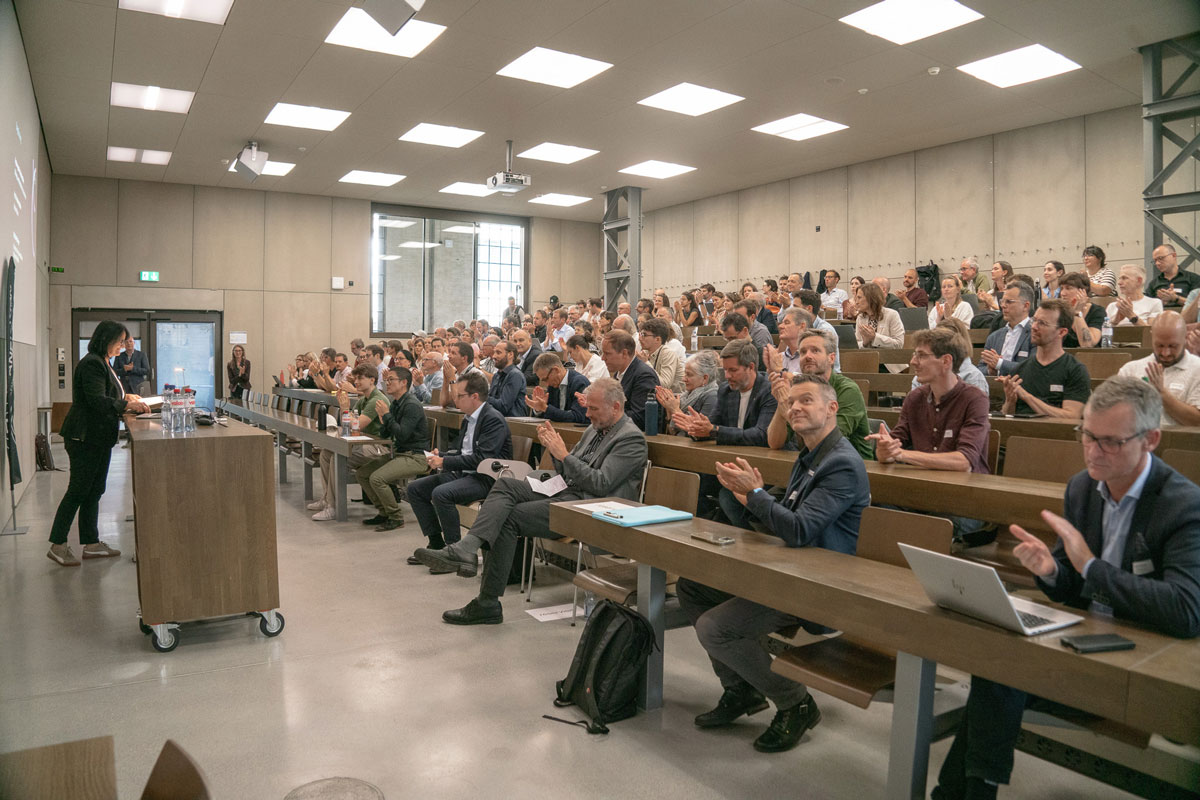
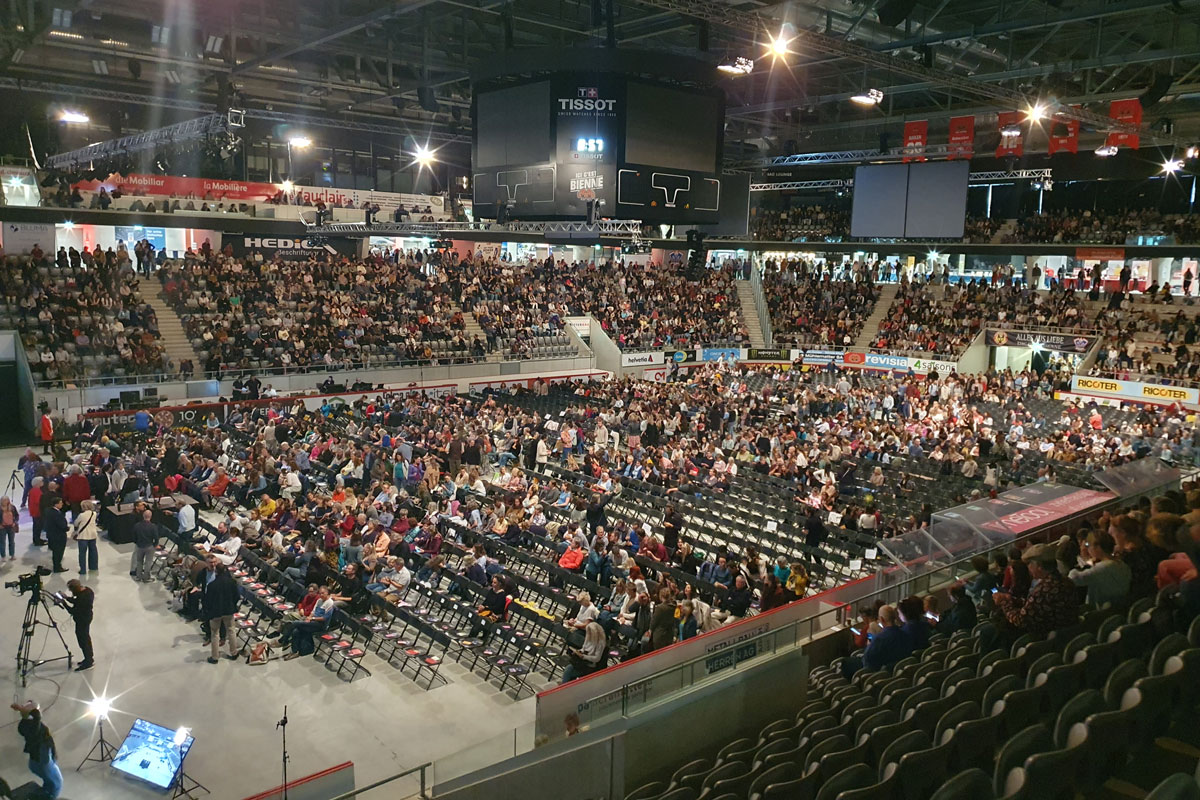
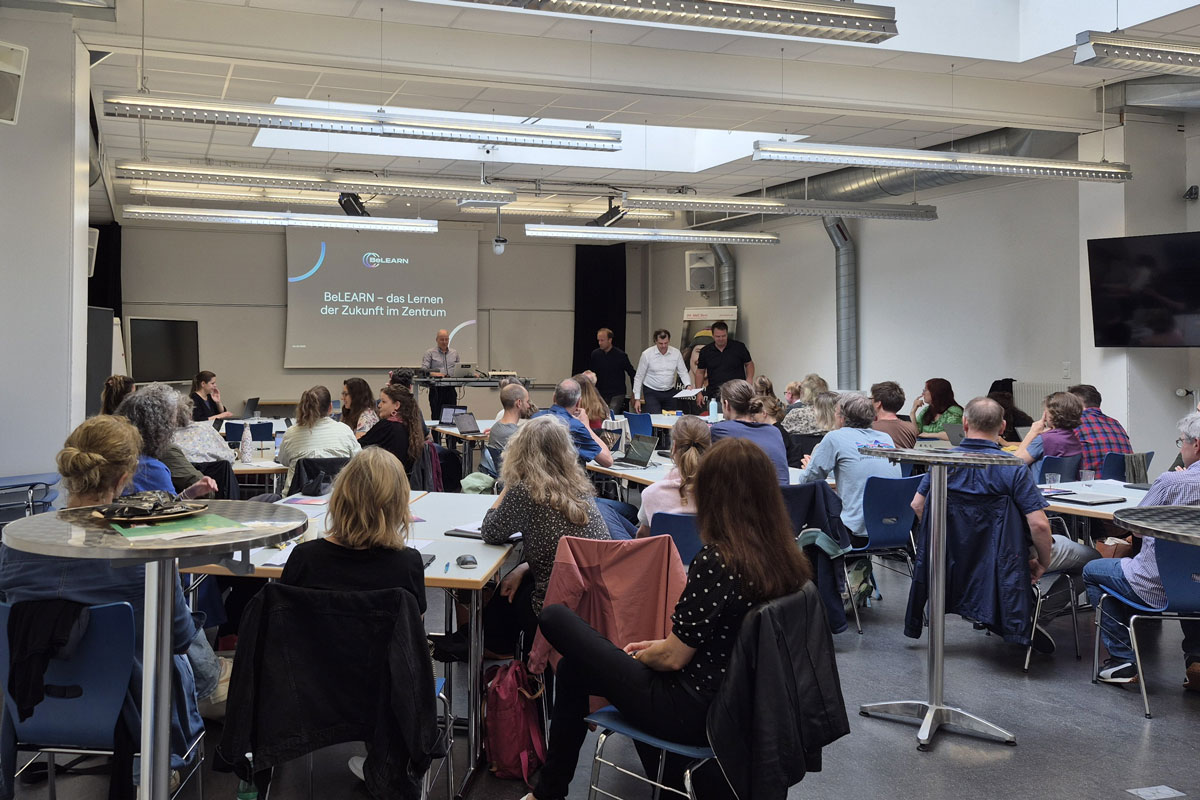
The BeLEARN conference for the education of tomorrow took place on 4 September 2025 with over 150 participants. “Translation 2025” was the first conference to bring together research, business and educational practice. On one afternoon, the participants immersed themselves in the world of digital transformation in education. Eight breakout sessions, each with different focus subjects, demonstrated the variety within the subject of digitality in education and gave participants the opportunity to become familiar with examples from research and practice. In this way, the conference participants gained insights into a digital tool for boosting resilience in teacher training, into the aesthetics of robotics, or into the effects of the digital transformation on today’s vocational training.
“The setup of the entire format really impressed me – a plenary session with different people, breakout sessions, and enough time for discussions. A nice balance of professionalism and personal contact. Not too formal while maintaining a high degree of professionalism, a good mix.”
Feedback from a participant
Due to the positive feedback for the conference, we look forward to hosting the second event, “Translation 2026“ with the motto “Shaping Education“.
New Platform and a New Look
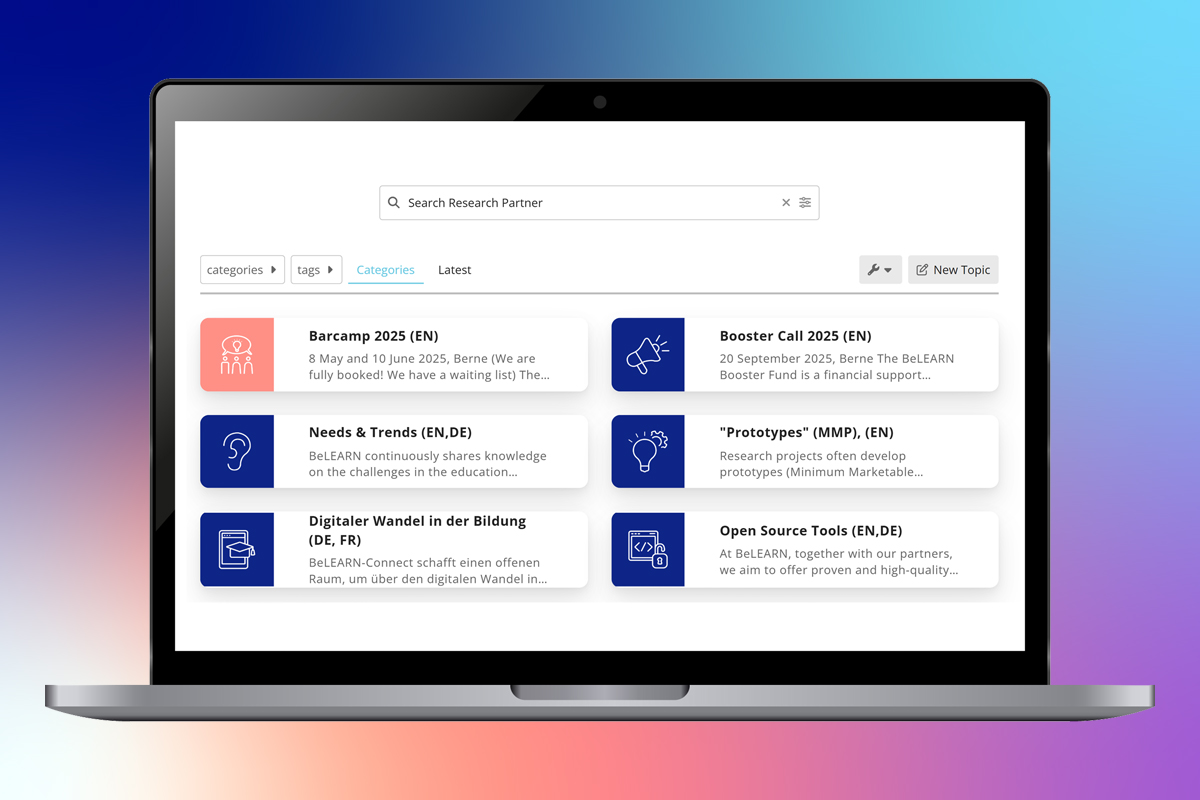
In spring, BeLEARN created a further space for exchange and cooperation with the open platform BeLEARN-Connect. It links researchers from across Switzerland with representatives from educational practice relating to the topic of digitality, and supports innovation beyond individual institutions. In 2025, 159 individuals signed up to the platform.
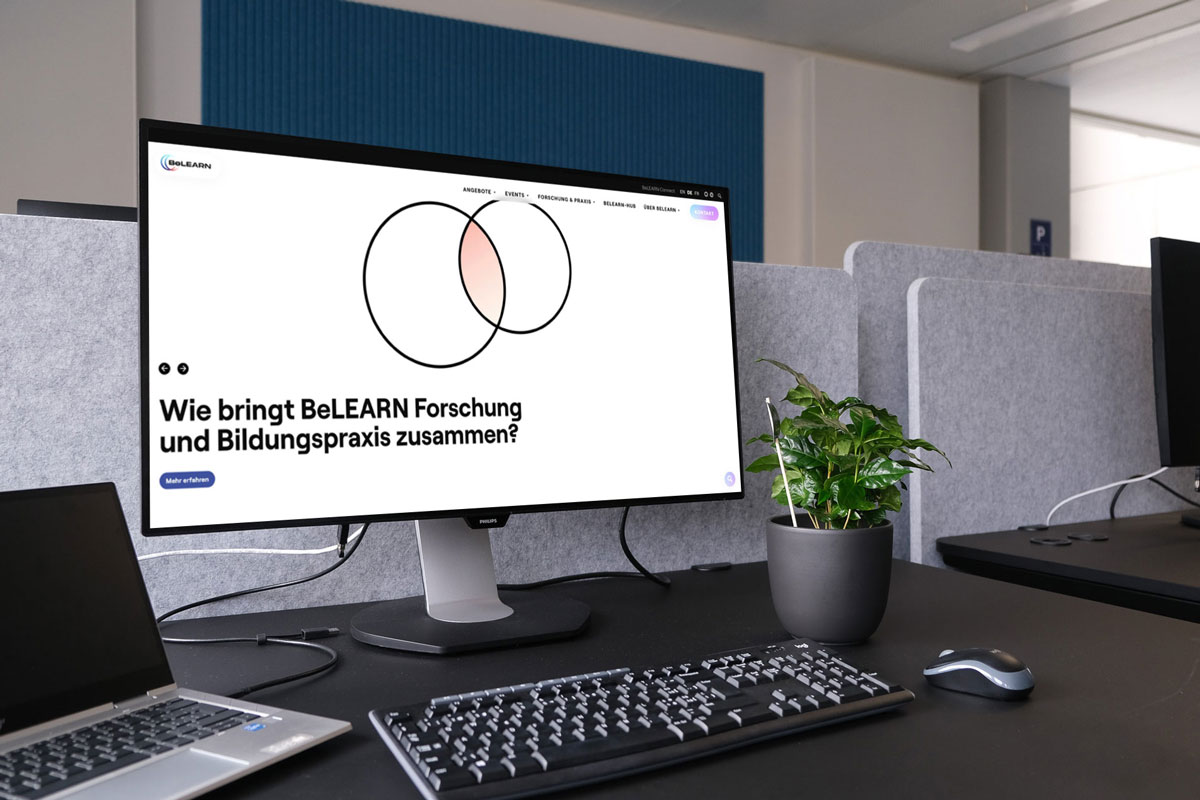
At the end of the year, the old BeLEARN website was replaced by a new web presence. Since mid-December 2025, BeLEARN has enjoyed a fresher appearance, with more structure and even more advantages for the BeLEARN community. Thanks to the intuitive navigation, users can quickly find what they are looking for. The easily accessible booking tool means that members of the BeLEARN community can also book spaces for meetings with ease. The presentation of the research projects was also overhauled: The updated descriptions make the interdisciplinary projects more accessible and highlight their translation into educational practice. The new website also allows us to organise the annual review consistently in an online format.
Staff and Organisational Development
Systematic Collection of Practical Questions
In 2025, BeLEARN underwent a further development of its strategic orientation with the aim of systematically gathering issues and challenges from educational practice and making them available to the research community. This step forms the basis of the BeLEARN translation model: Only once the challenges and trends from educational practice have been systematically gathered can the consecutive steps – joint reflection with the research community and the development of targeted research projects – really take effect. The impulse groups covering primary school and secondary school as well as vocational education compiled practice-related issues from their respective areas which were published on BeLEARN-Connect. The gathered issues are available to the research community as a starting point so that future research projects can be planned in a purposeful manner, inspired by specific concerns from educational practice.
Personnel Changes
There was a change of personnel on the BeLEARN Board: Dr Barbara Fontanellaz, Director of SFUVET (Swiss Federal University for Vocational Education and Training), who played a key role in shaping BeLEARN from the very beginning, stepped down from the Board at the end of 2024. The general meeting elected Dr Christian Rosser, Head of Teaching at SFUVET, to be her successor. He has represented SFUVET on the BeLEARN Board since 1 January 2025.
The BeLEARN Advisory Board underwent key personnel changes in 2025: Dr Christian Rosser stepped down from the Advisory Board at the end of 2024, as he became the new representative of SFUVET on the BeLEARN Board. Valérie Schelker, Head of Human Resources and member of the Executive Management at Swiss Post Ltd, also stepped down at the end of 2024. The Board elected Bianca Gebauer, Co-Head of Human Resource Management at Swiss Post Ltd, as her successor in the Advisory Board from 2025. Three new members were also appointed in the reporting year: Marco Weber, Education Lead at Apple Education, Claudio Mirti, Senior Advanced Analytics & AI Specialist at Microsoft, and Gerhard Andrey, member of the Swiss National Council representing the Green Party of Switzerland and co-founder of Liip. This strategic expansion means that BeLEARN can now draw upon vast expertise in new technologies, current developments and trends in education.
In April 2025, there was a change in the vocational education impulse group: Rolf Felser, Head of Sector at the Centre for the Development of Occupations at SFUVET, retired. His successor, Dominik Studer, also Head of Sector at the Centre for the Development of Occupations at SFUVET, took on his position in the impulse group.
In the BeLEARN office, there were several personnel changes in 2025: Friederike Küchlin joined the team in February 2025. She holds the newly created position of Community Manager and is responsible for fundraising for project-specific third-party funds. Johannes Jud, Project Manager for dip, ended his employment at BeLEARN in the summer of 2025 in order to dedicate more time to other projects. The dip project management was assumed by Markus Teuffel and Ralph Lagger who were both already active in the dip coordination team. Livia Hostettler, Project Manager for EduTransform and part of the executive office, also left the office in summer 2025 to take on a fresh challenge. Her successor, Maxime Lammar, started in August 2025. He is responsible for AI Orientation and the primary stage of the EduTransform programme.

Networking in the Hub…
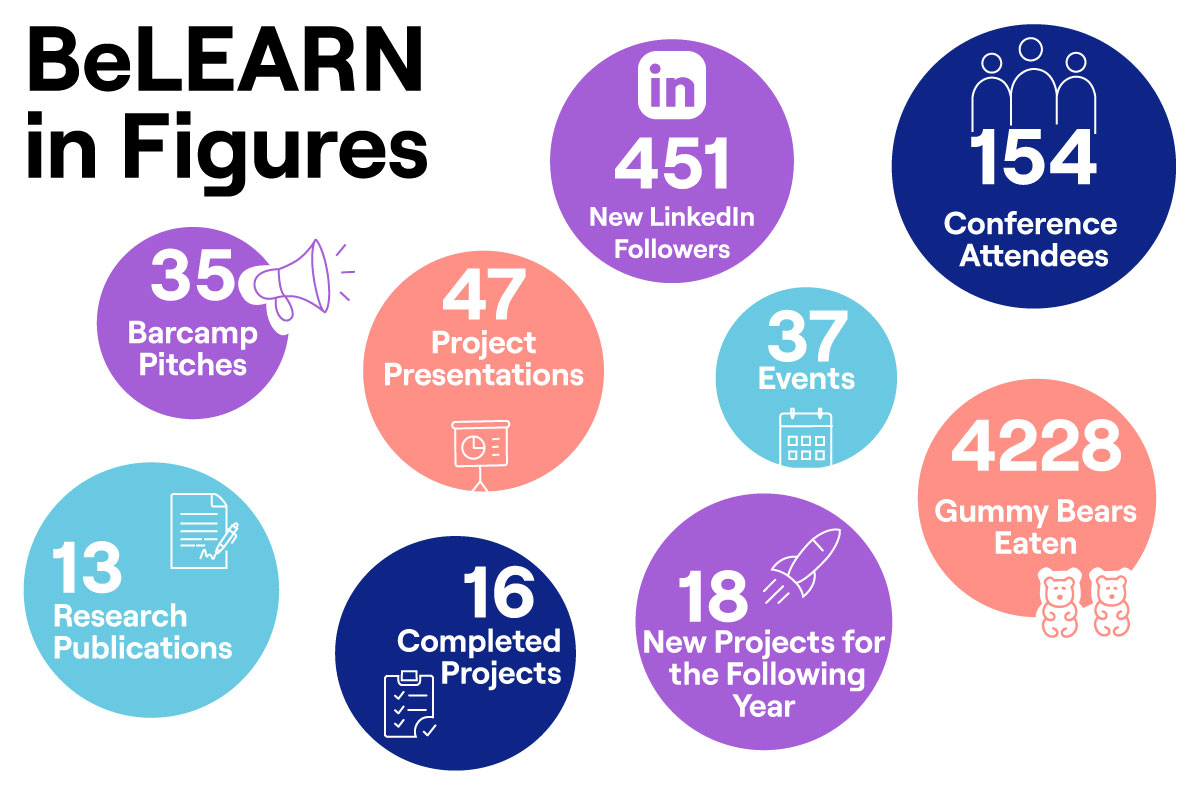
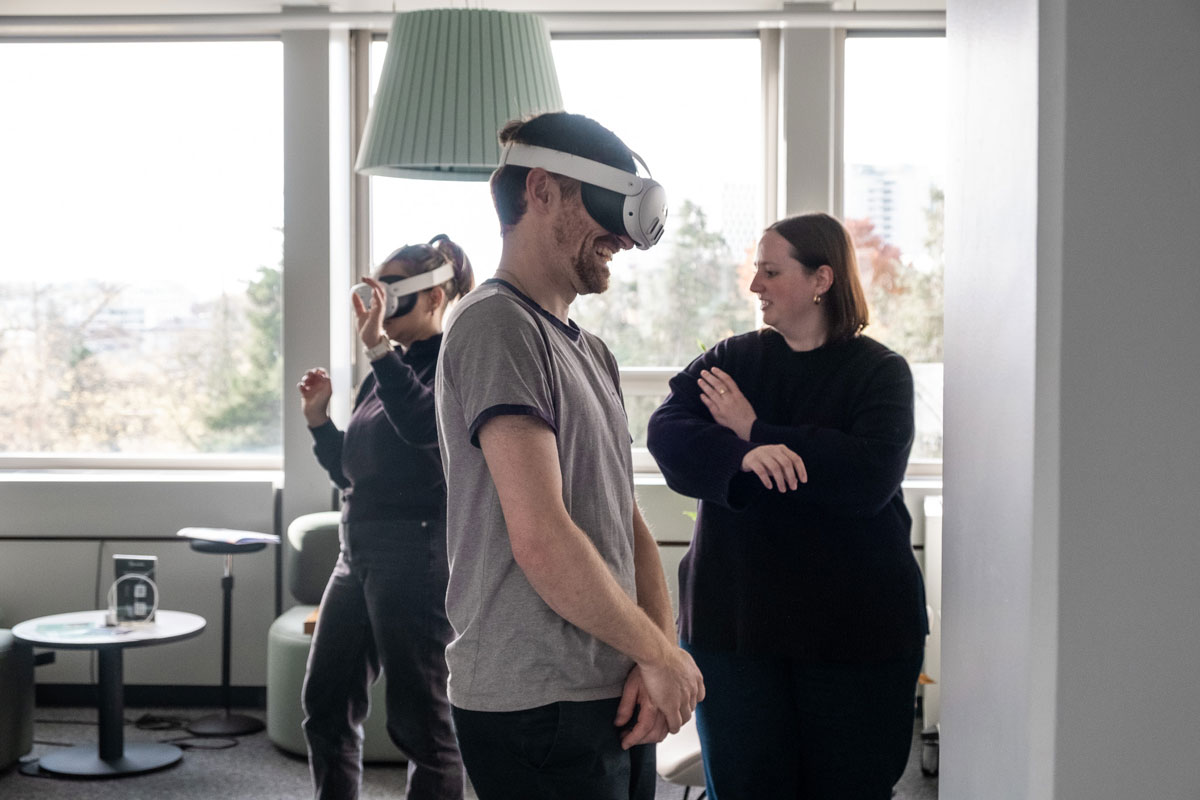
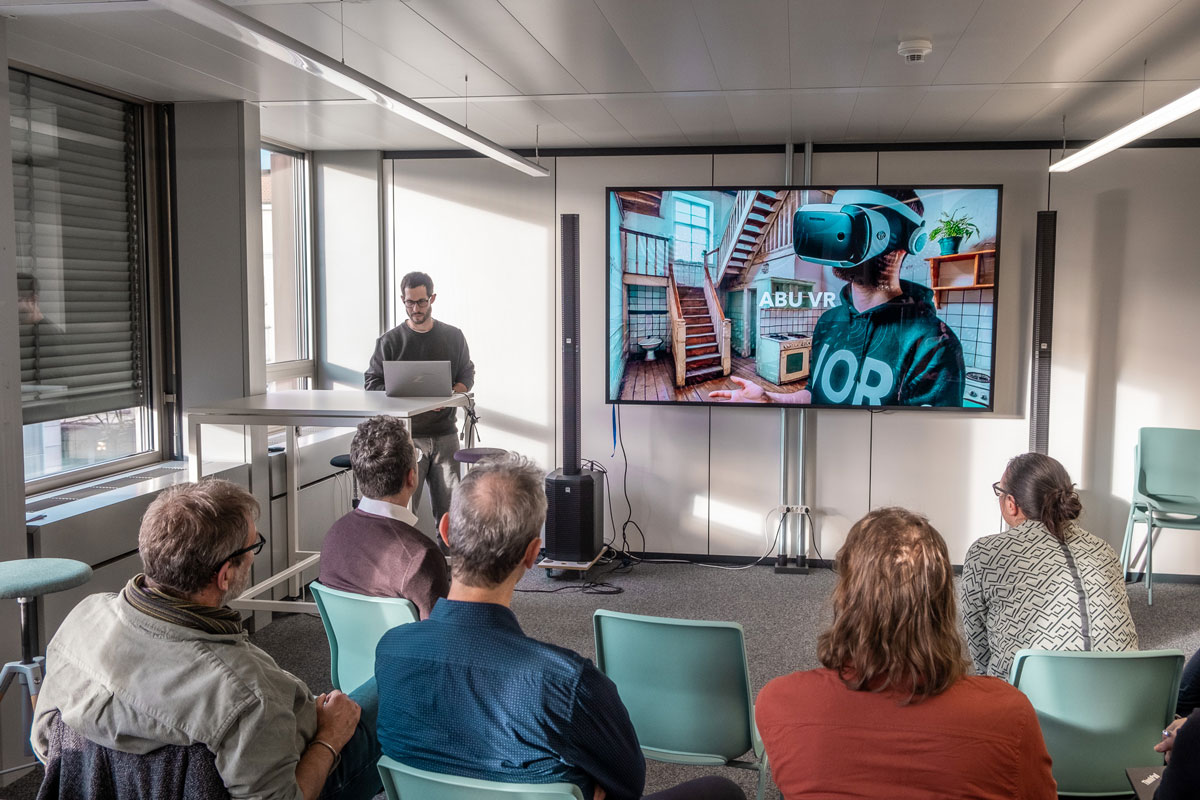
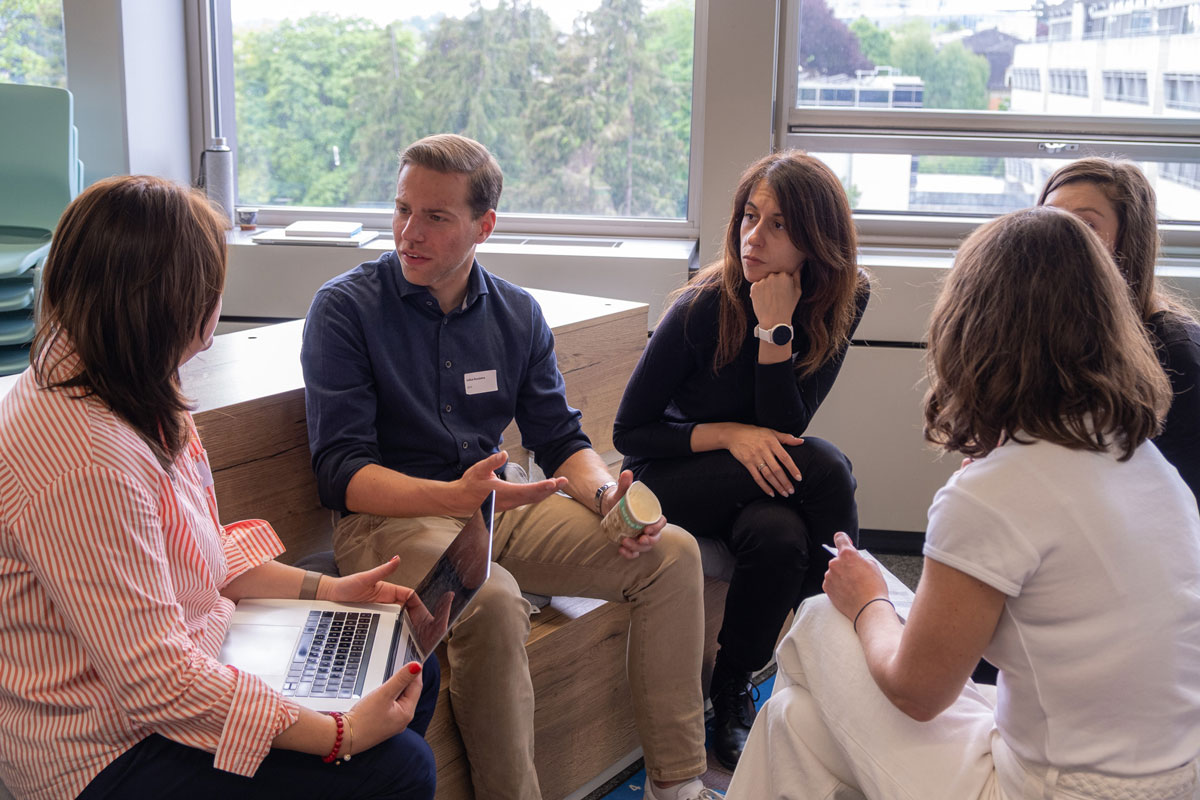
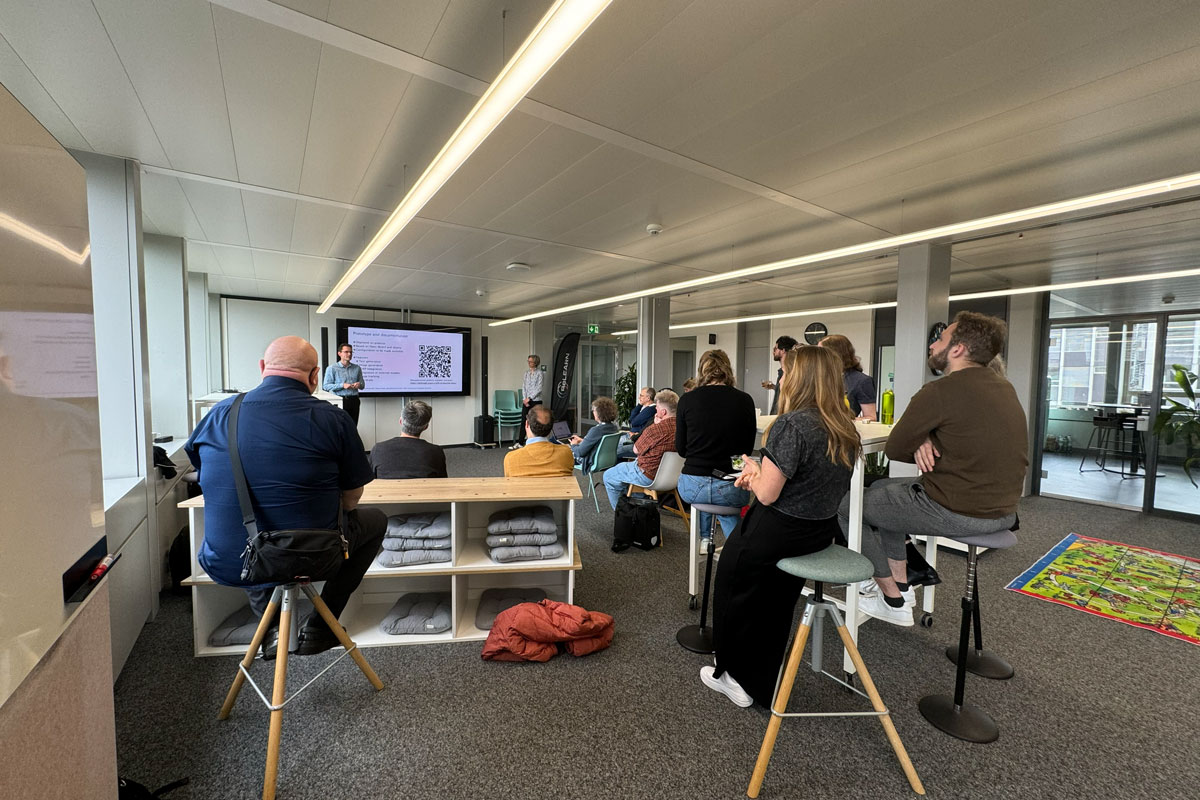
With almost 40 events, the BeLEARN Hub was once again a key place for networking and translation in 2025. A variety of formats allowed players from research, educational practice and business to come together, and created space for an exchange of different perspectives.
A fixed component of the annual programme are the project lunches, of which ten were held.A low-threshold exchange format, it offered space for participants to present and discuss projects from the research and product ideas of start-ups within the BeLEARN community.
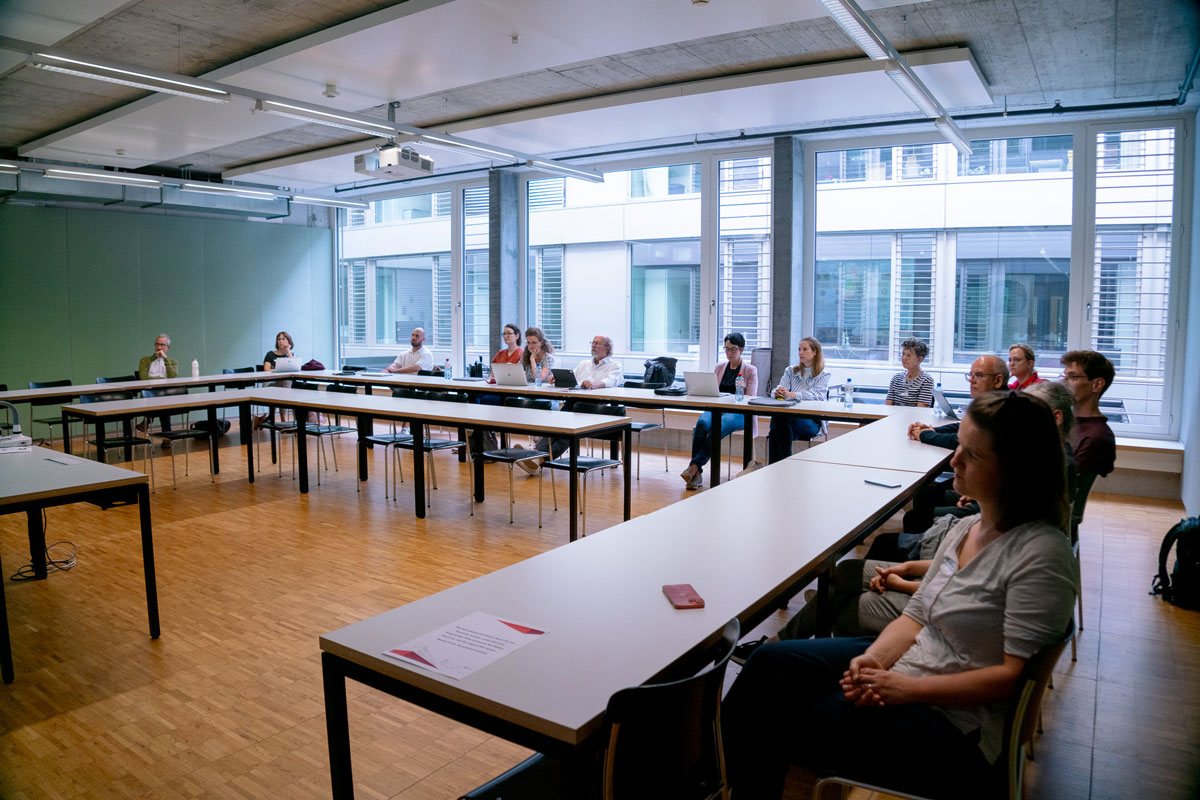
Moreover, regular BeLEARN Trails for different groups were also conducted in the past year. They facilitated practical insights into digital tools, research projects and innovative learning technologies, and conveyed current developments at the interface of the digital transformation and education.
… and Outside
The range of events was supplemented by events linked to our practical projects dip and EduTransform, as well as by a series of one-off activities. These included a visit to a STEM holiday camp for schoolchildren in years five and six. SwissFoundations, the Center for Philanthropy Studies (CEPS) and BeLEARN also organised an exchange on the topic “Bits & Bildung” (Bits & Education) for the SwissFoundations education working group. In all, the events highlight the role that the BeLEARN Hub plays as a vibrant space for encounters and innovation.
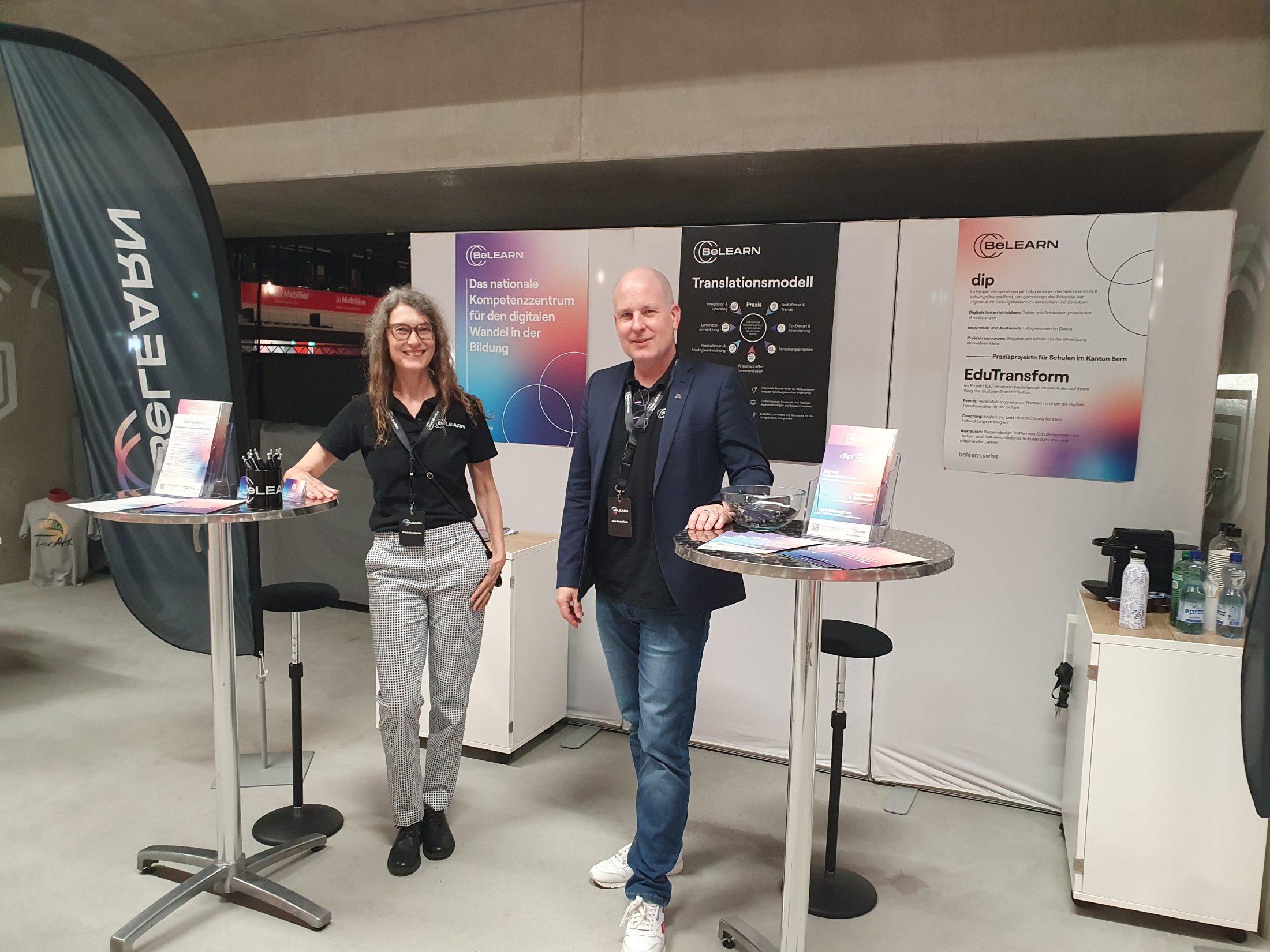
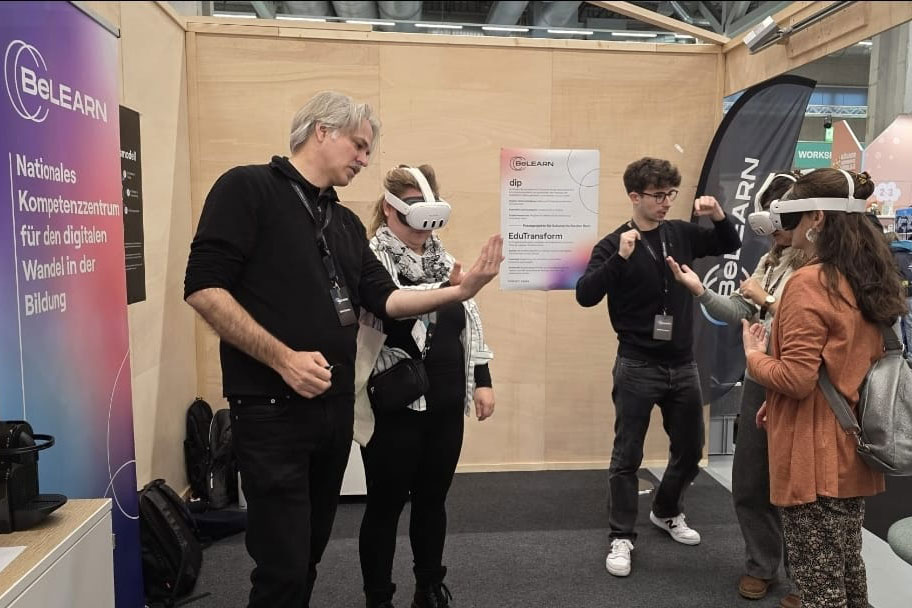
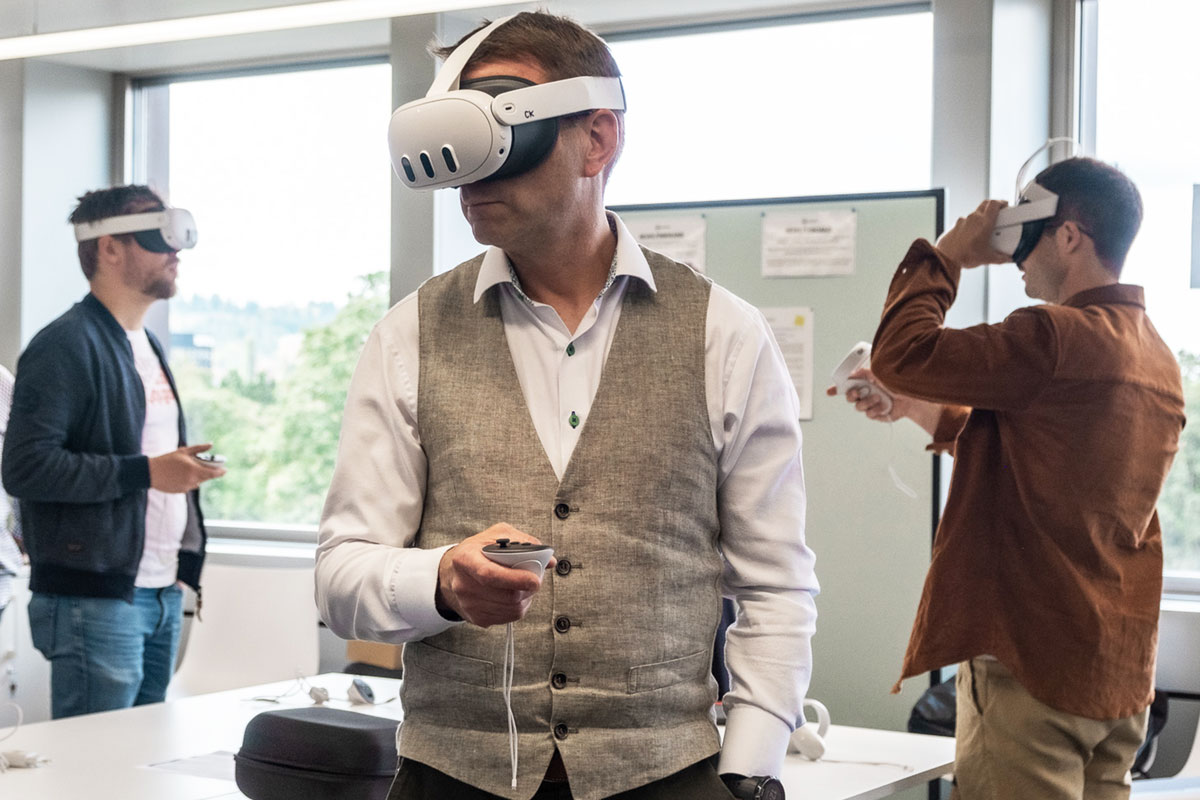
In 2025, BeLEARN was also represented at various events outside of the Hub. This year, the two highlights were our participation in the Berner Bildungstag in Biel and in Swissdidac 2025 in Bern. Both events offered important opportunities for exchange with players in educational practice. At Swissdidac, visitors to the trade fair were also able to test a prototype of the ADHD VR simulation and two keynote speeches gave insights into BeLEARN’s activities and projects.
Finally, “Translation 2025”, the first BeLEARN conference, was a special highlight of the year. With more than 150 participants in the vonRoll Areal at PHBern, they set a key milestone for the exchange and visibility of the BeLEARN community.
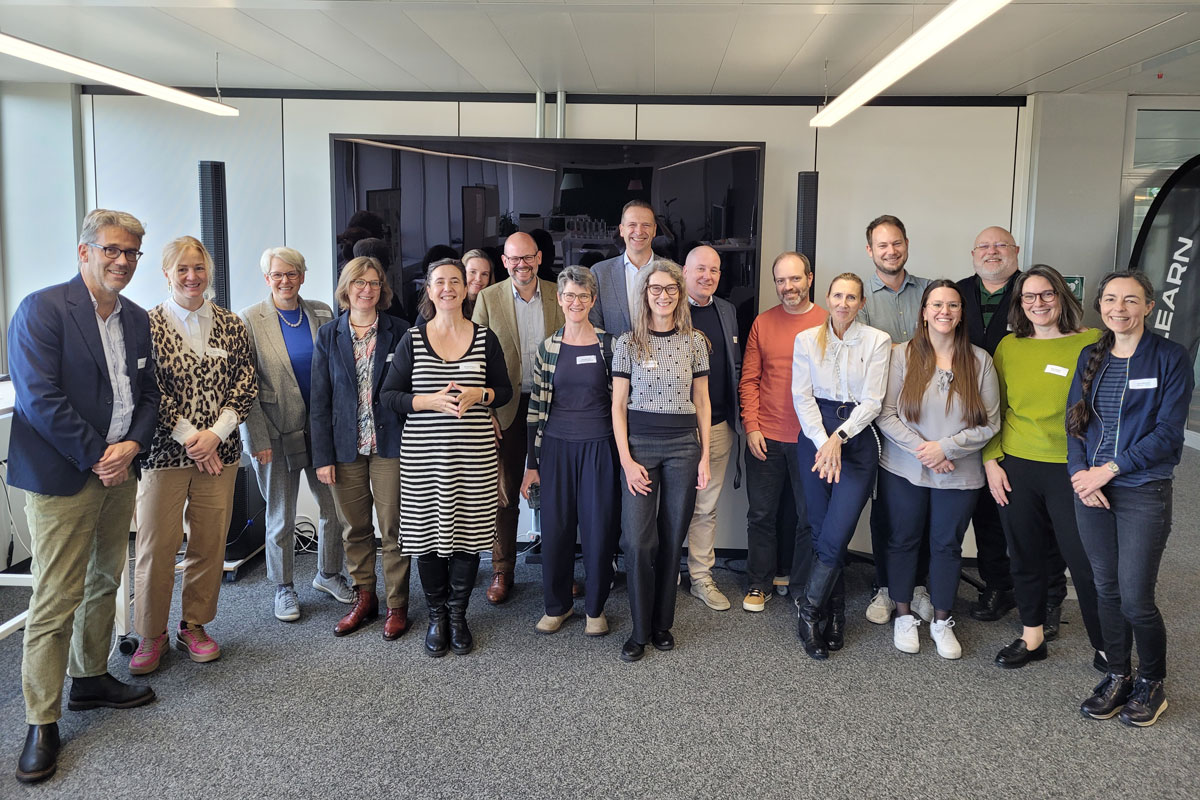
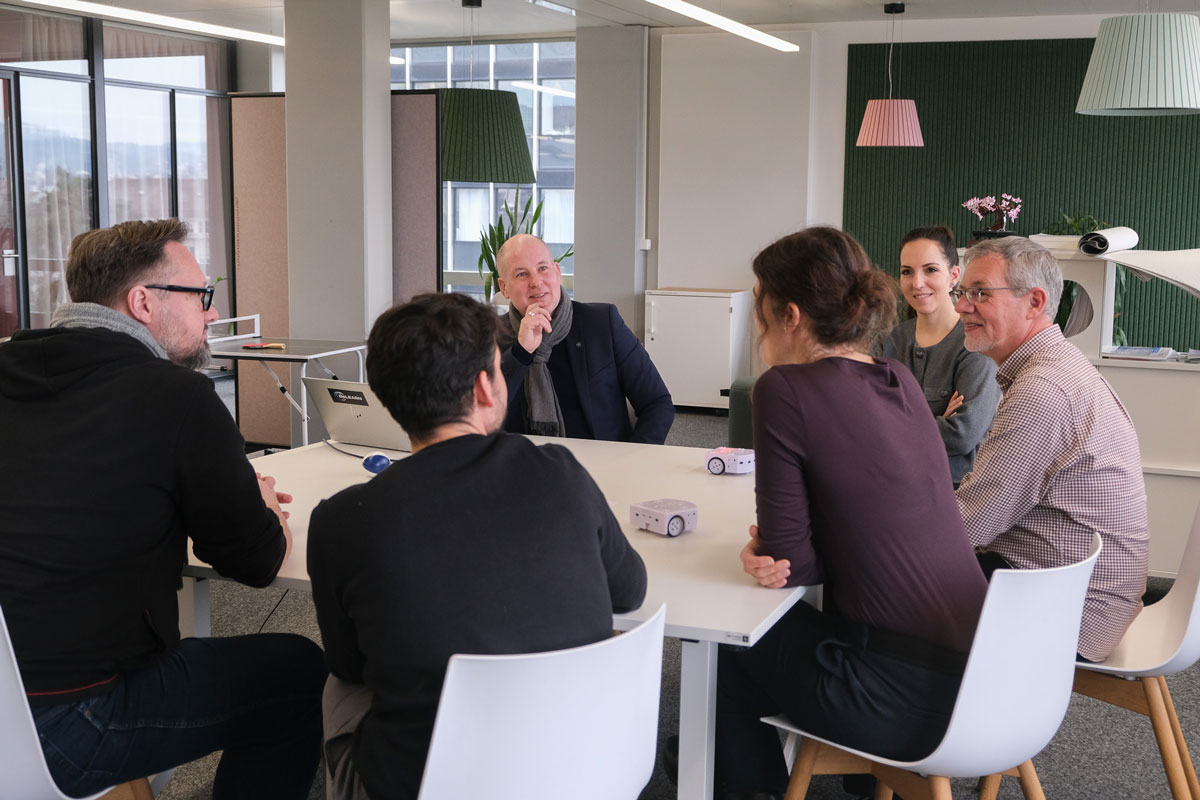
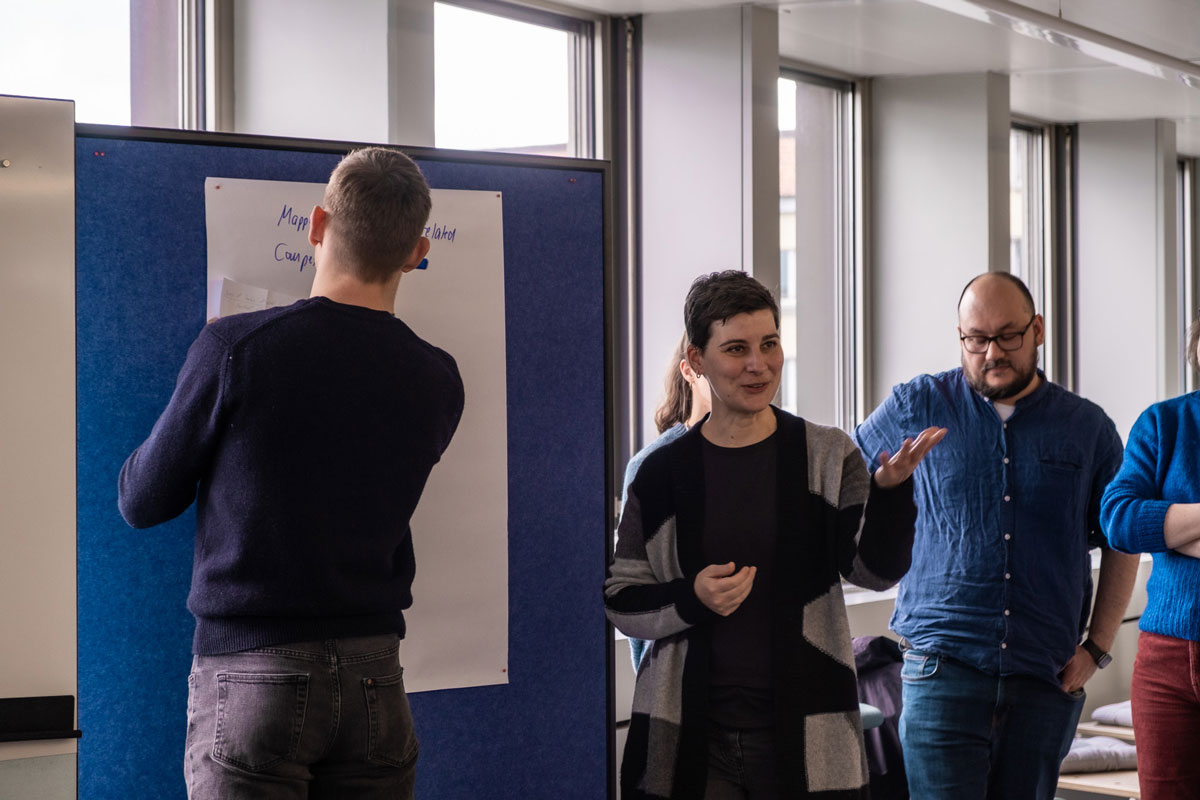
Impressions of the Events in 2025
dip
For dip, 2025 was characterised by personnel changes and the preparation for the project completion at the end of 2026. At the same time, the team were able to further develop central offers and provide new impetus for digital development in schools.
A key milestone was the first implementation of dipFund. With this new funding pot, innovative projects on digitality in the upper secondary school level in the canton of Bern are supported financially by the MBA (Office for Middle and Vocational Schools) via dip. The offer met with a great deal of interest: Of the 15 submitted project ideas, four were selected. These will begin in summer 2025 and be implemented by summer 2026. A second implementation is planned for 2026. In addition, the first round of the in-depth series dipFocus on the topic “Digitalität und Ablenkung” (Digitality and distraction) was completed. Alongside this, the next edition was being prepared. It will start at the beginning of 2026 and focus on digital collaboration. A new, decentralised and bilingual format means that dipFocus should be even more aligned to the needs of schools in the future.
The cooperation with the Innoscouts was also strengthened further. Innoscouts are the link between the schools and the coordination team. The regular exchange and school visits as part of dip@school contributed to consolidating this collaboration even further. Not least, 2025 was marked by strategic considerations about the future of dip. In cooperation with the digital board of the MBA, possible routes for a continuation or transfer of the project from 2027 were devised. The coordination team will also support this pioneering work in 2026.
EduTransform
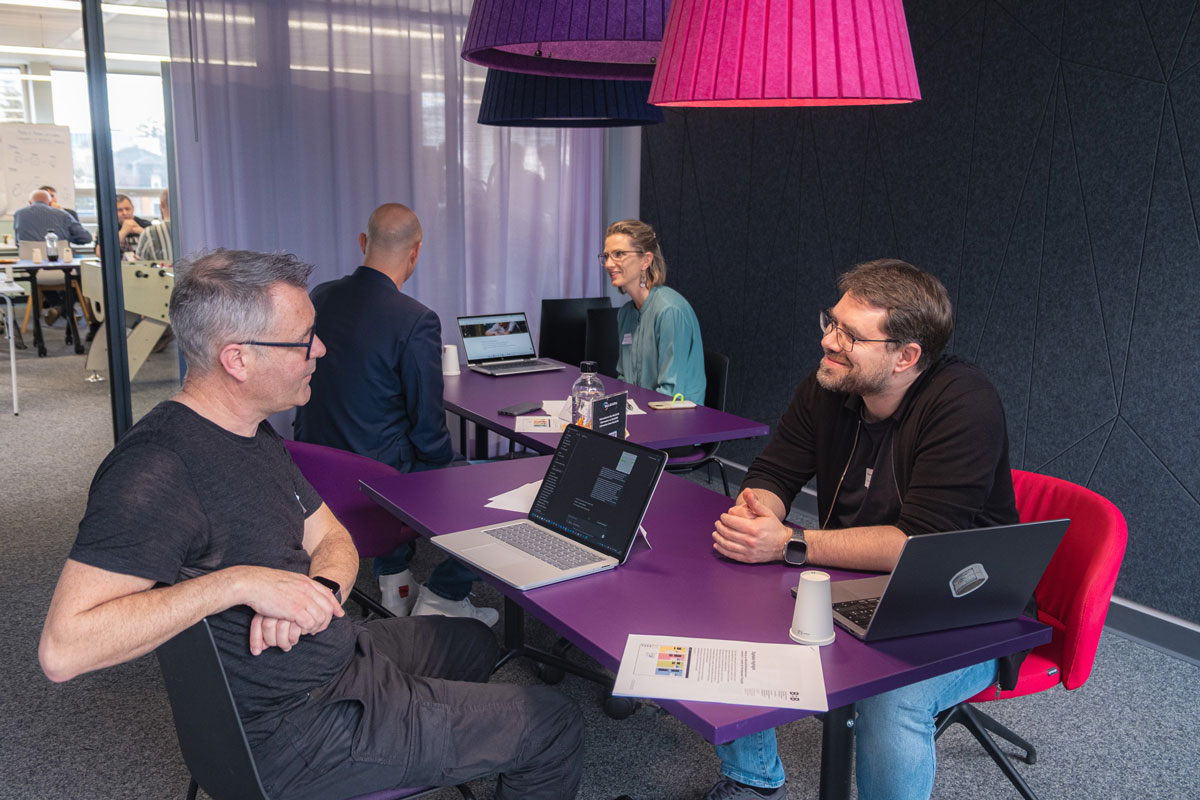
The practical project funded by the AKVB (Office for Kindergarten, Primary School and Counselling) aims to support the lower secondary level of schools with their digital transformation. A mixture of technical inputs, workshops and coaching provided the framework in order to examine school development not merely on a technical level, but also in terms of culture and strategy.
At a kick-off event, the course was set for the twelve selected schools to participate in a shared journey. At first, the school culture was the focus: How do values and expectations change in a digitised world? This question was fleshed out in a five-part series of events. A workshop took place, the theme of which was the digital transformation as a systematic development process, followed by an exchange on attitudes across schools. The topic of artificial intelligence was especially prominent. The participants dealt theoretically with the functionality of neuronal networks and also on a practical level with AI tools for lessons. This concluded with discussions of the legal perspectives, data protection and data security, supplemented by a direct exchange with EdTech start-ups.
The feedback showed that, in addition to the technical content, the networking opportunities and the external, critical and constructive perspective provided by the coaches represented crucial added value.
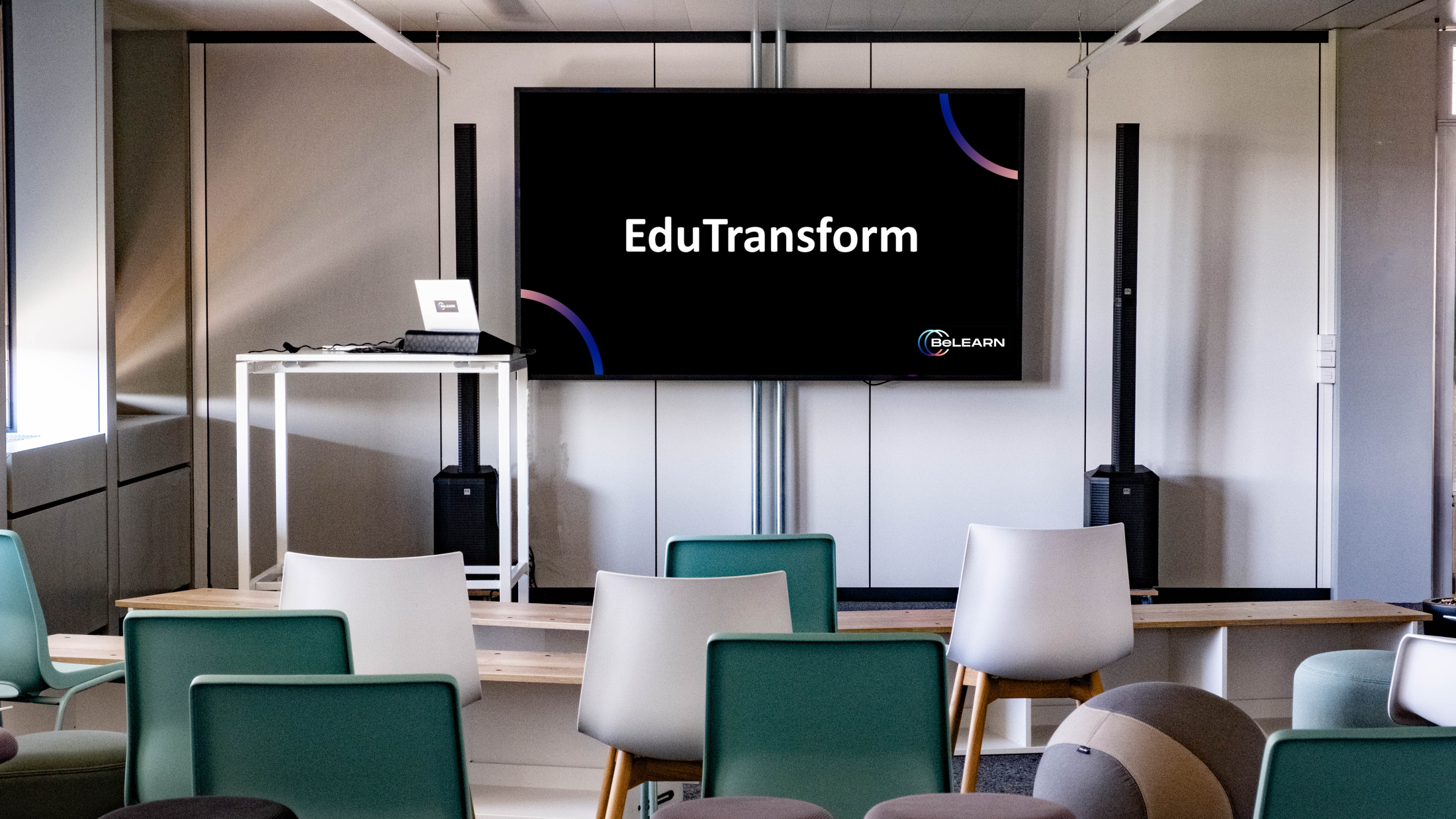
With these findings, EduTransform started its next phase: In summer 2025, the plans for schools at kindergarten and primary level (cycle 1 and 2) began and 12 new participating schools were selected by the end of the year. Their one-year participation in the project began in January 2026.
AI Orientation
2025 was also the year of the fundamental overhaul of the first version of “AI Orientation”. Thanks to the relaunch of the BeLEARN website, it also appeared at the end of 2025 with a whole new look. The updated version contains new contents and is intended to support teachers to work confidently in the complex subject area of artificial intelligence. In terms of content, the reorientation follows the Dagstuhl triangle consistently. The triangle is an aid for visualising digital phenomena from three perspectives to facilitate a responsible contribution to the design process. The dimensions of technology, application and socio-cultural aspects are linked together accordingly. The aim is to give teachers in cycles 1 to 3 technical application skills as well as a more in-depth understanding of functionalities such as machine learning and, at the same time, to provide room for ethical reflections. Parallel to consolidating the content of the offer, its range was also increased. The French-language version of the platform was completely revised in 2025. In order to keep the content up to date in this dynamic field, a board of experts checks the content at regular intervals. Based on the foundations formed in this reporting year, AI Orientation will be expanded continually with further practical examples and current contributions so that it can continue to support teachers as the technology progresses.

Graduate School
Graduate School Digitality and Education (GSDE) is a joint interdisciplinary doctoral programme offered by the University of Bern, PHBern and the Bern University of Applied Sciences BFH, coordinated by BeLEARN. The Graduate School is aimed at doctoral students from all faculties of the University of Bern who wish to critically examine and actively shape the digital transformation of education. Emphasis is placed on artificial intelligence and digital learning tools, but also on ethical issues, digital collaboration and the fundamental redesign of teaching and learning processes.
2025 was characterised by its establishment and solid foundations were laid for the start of the programme in the spring semester of 2026. Following recent negotiations with the Faculty of Human Sciences, the organisational regulations and curriculum were successfully adopted. At the same time, university of applied science business degree programmes were added to the admission list for the doctorate at the faculty of economics and social studies – a key step for the interdisciplinary opening of the programme.
With the selection of members of the supervisory committee and their first constituent meeting on 5 December, the organisational structure was established. Parallel to this, the new website (gsde.unibe.ch) was developed and the administrative basis was formed. For 2026, the admission of the first cohort of doctoral students is planned, the first workshops are due to take place in the spring semester, and the first summer school in summer/autumn 2026.

ADHD VR Simulation
In 2025, BeLEARN started to develop a VR application that allows the user to experience ADHD symptoms interactively in a realistic situation. This innovative approach is intended to facilitate the organisation of the school routine for teachers, as well as for pupils with ADHD in class, and also to support the classroom climate and thus the learning success of all pupils within a class.
In the first design phase, the project already met with overwhelming resonance. Individuals in vocational education, tertiary and post-compulsory schooling have also shown interest in testing and using the ADHD VR application.
Based on an interdisciplinary workshop, afca. ag developed a prototype which was tested by experts, but also by children and adolescents with ADHD. Dr Tobias Heilmann supported the participative development of the VR application from an academic perspective and found that the design with those affected had led to tangible improvements. In this way, it could be ensured that the VR application accurately and demonstrably reflects the reality of people with ADHD. The project’s own funds and efforts are unfortunately not sufficient, particularly for the evidence study, which will examine the application and the activity-oriented supporting materials for their effectiveness in 2026. However, thanks to support from the Ernst Göhner Stiftung and Milton Ray Hartmann-Stiftung, the further development and completion of the project is ensured.

XaraEdu
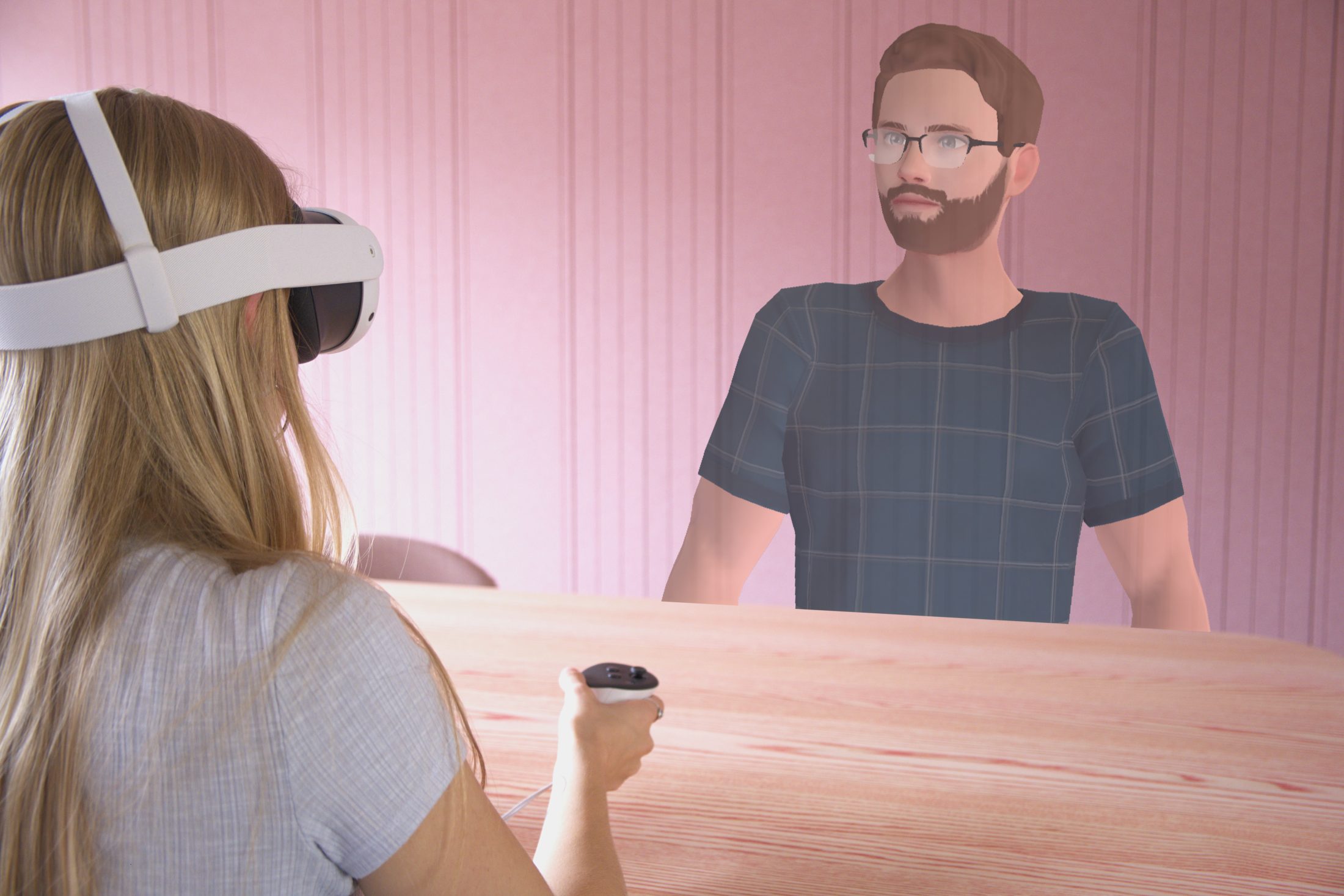
With XaraEdu, BeLEARN started a new practice-oriented offer in 2025, which enables teachers and learners to practice difficult conversations such as parent-teacher meetings or expert interviews in a safe, virtual environment, and to strengthen their communication skills. XaraEdu is based on the further development of an existing tool from afca. ag, which was developed in collaboration with the University of St.Gallen. In the last year, BeLEARN further developed the application with the aid of users from the education sector in order to ensure a high degree of practical benefit.
A key part of the development phase was extensive testing with different target groups. XaraEdu was tested as part of BeLEARN Trails with teachers, players from educational practice, and representatives from business. Furthermore, a practical test was conducted with pupils in years 5 and 6 during a STEM holiday camp. The experience and feedback collected were fed directly into the further development and revision of the offer.
Edu 3D Viewer
With the start of the Edu 3D Viewer practical project in 2025, BeLEARN initiated the development of a new digital learning format. The focus here was a user-oriented development process in which the needs from teaching practice were incorporated at an early stage and reflected upon on an ongoing basis. In a setup and test phase, an initial prototype was created which was tested in lessons and refined with the aid of teachers. The first feedback from practice flow continually into the revision, and form the basis for the next stages of development. The aim is to create an easily accessible, practical tool which supports teachers with the use of interactive and immersive forms of learning.
The feedback gathered from teachers is to be incorporated into the revision of the prototype in 2026. The Edu 3D Viewer is to be made available to the public in spring 2026 via the various app stores.
Research Projects
In 2025, 11 research projects were completed successfully. These projects each deal with at least one of the BeLEARN subject areas, and their translation into educational practice is also planned from the very beginning. Key features are the cross-institutional cooperation and interdisciplinary collaboration: In each case, at least two institutions work together in developing innovative and practical solutions for the digital transformation in education. The following projects were completed successfully in the reporting year and illustrate the thematic breadth of BeLEARN research:
In 2026, 13 new research projects were developed as part of the BeLEARN Barcamp in May 2025 and selected by the jury to receive support. They can also be found on the project page under ongoing projects.
Booster Projects
With the booster fund, BeLEARN supports pioneering digitalisation and education projects by way of seed funding. Research institutions are given the opportunity to try out new ideas and bring them to maturity together with at least one cooperation partner in projects with a maximum duration of one year. In 2025, the following five funded booster projects were completed successfully:
BeLEARN launched a further booster call in autumn 2025. In order to reach the goal of supporting research projects at all levels of education, BeLEARN has set a special priority this time: As project applications from the primary level and lower secondary level were underrepresented in the past, projects at these school levels were given preference. In addition, the maximum funding amount per cooperation partner was increased just this time from 10,000 to 20,000 francs. The measure proved to be effective: Of the 17 project applications submitted, significantly more came from these education levels. The jury evaluated many exciting and promising applications and selected five projects for funding – of these, three covered the primary and lower secondary levels. These projects will begin in 2026: