Ideenpool | BeLEARN

Pool of Ideas

Here you will find a growing collection of tried-and-tested ideas that benefit classes with students with ADHD.

All projects Idea pool ADHD Quick Implementation
BeLEARN, Who was it?

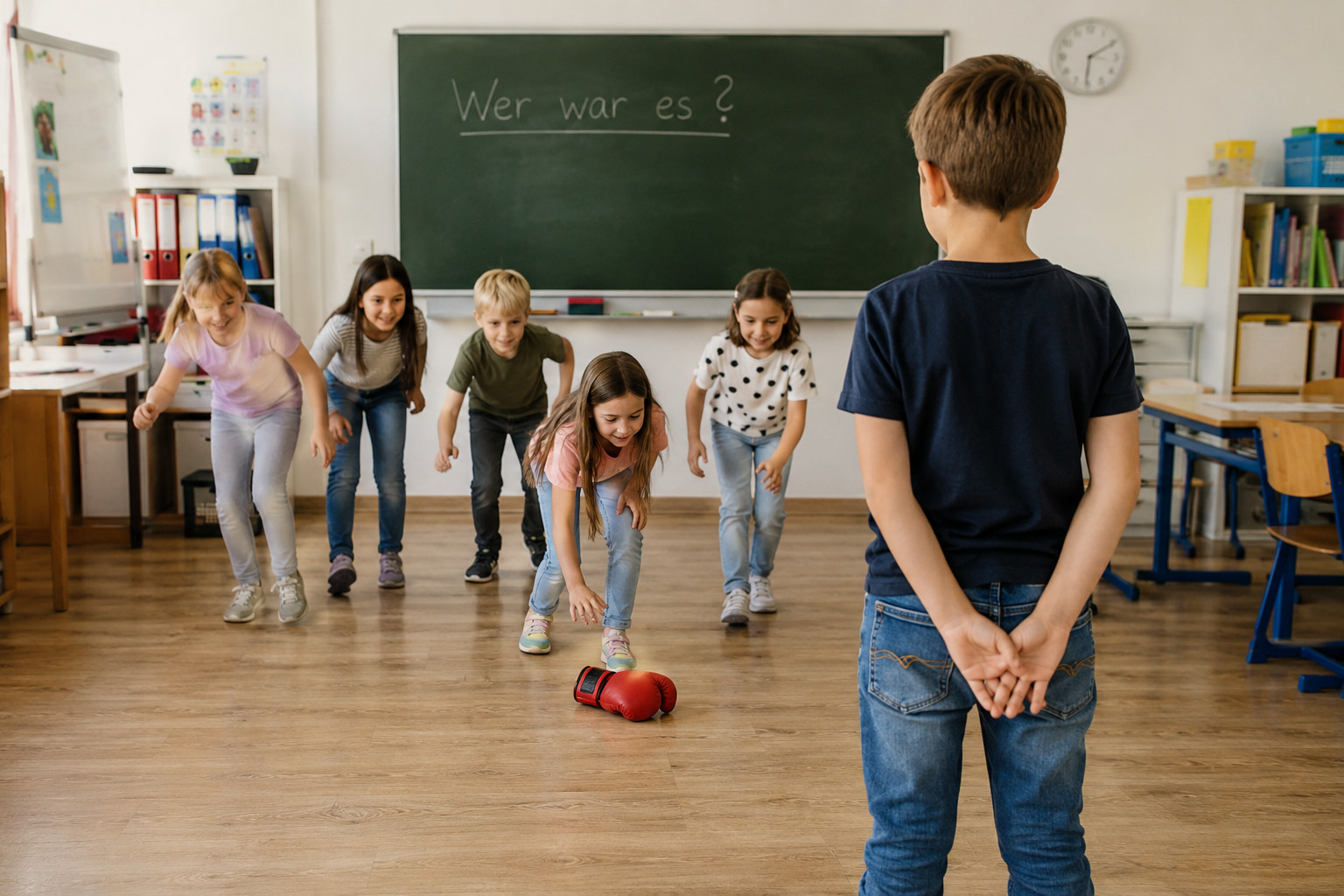
Who was it?

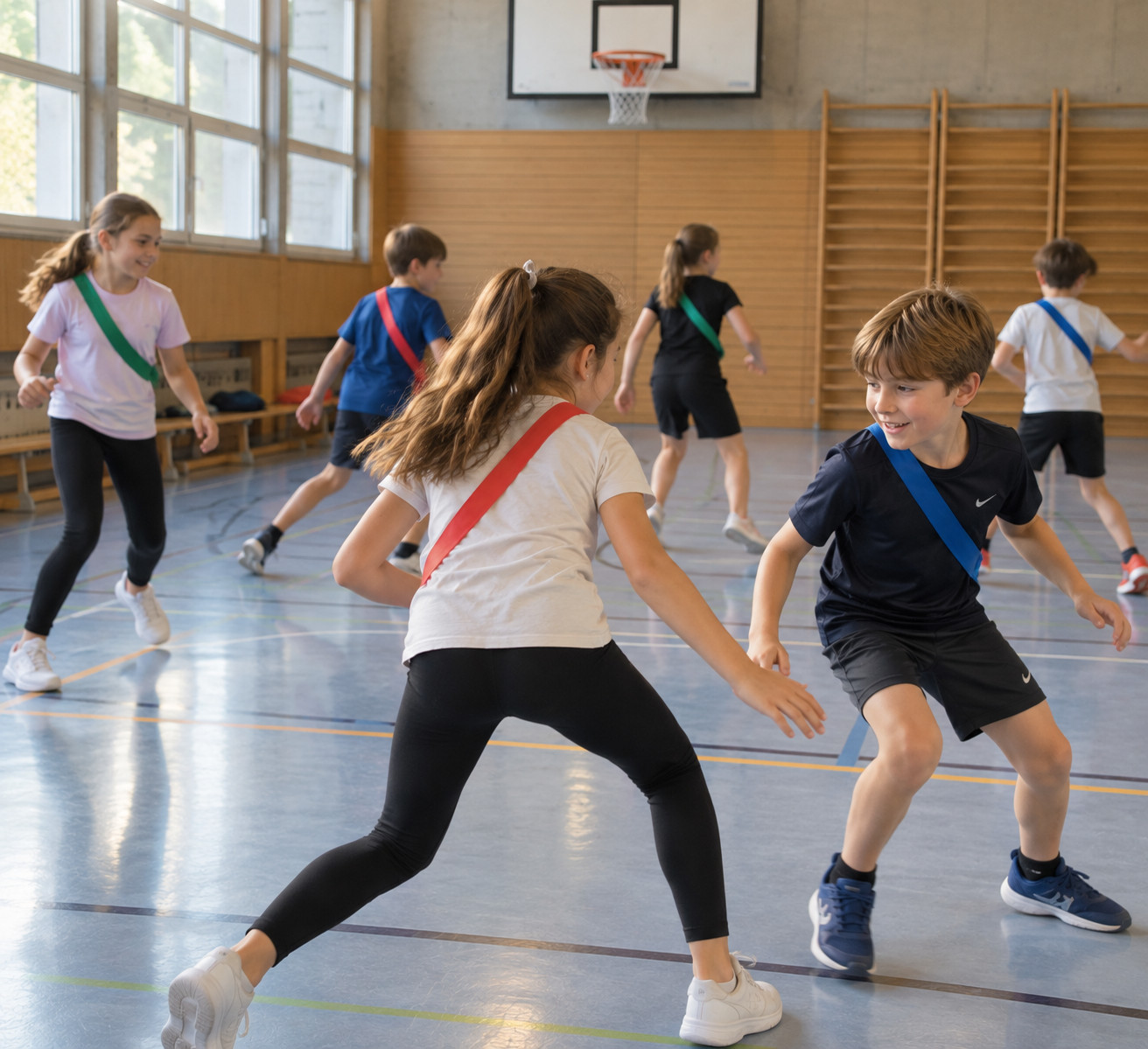
One child stands with their back to the class and guards an object, for example a boxing glove, that the others want to touch quietly. As they turn around, the front child has two to three guesses to work out who touched it, while the class cooperates without a word and blocks the view. The game gives the urge to move an outlet and at the same time trains impulse control, planning and cooperation.
BeLEARN, Ethical Thinking

Ethical Thinking

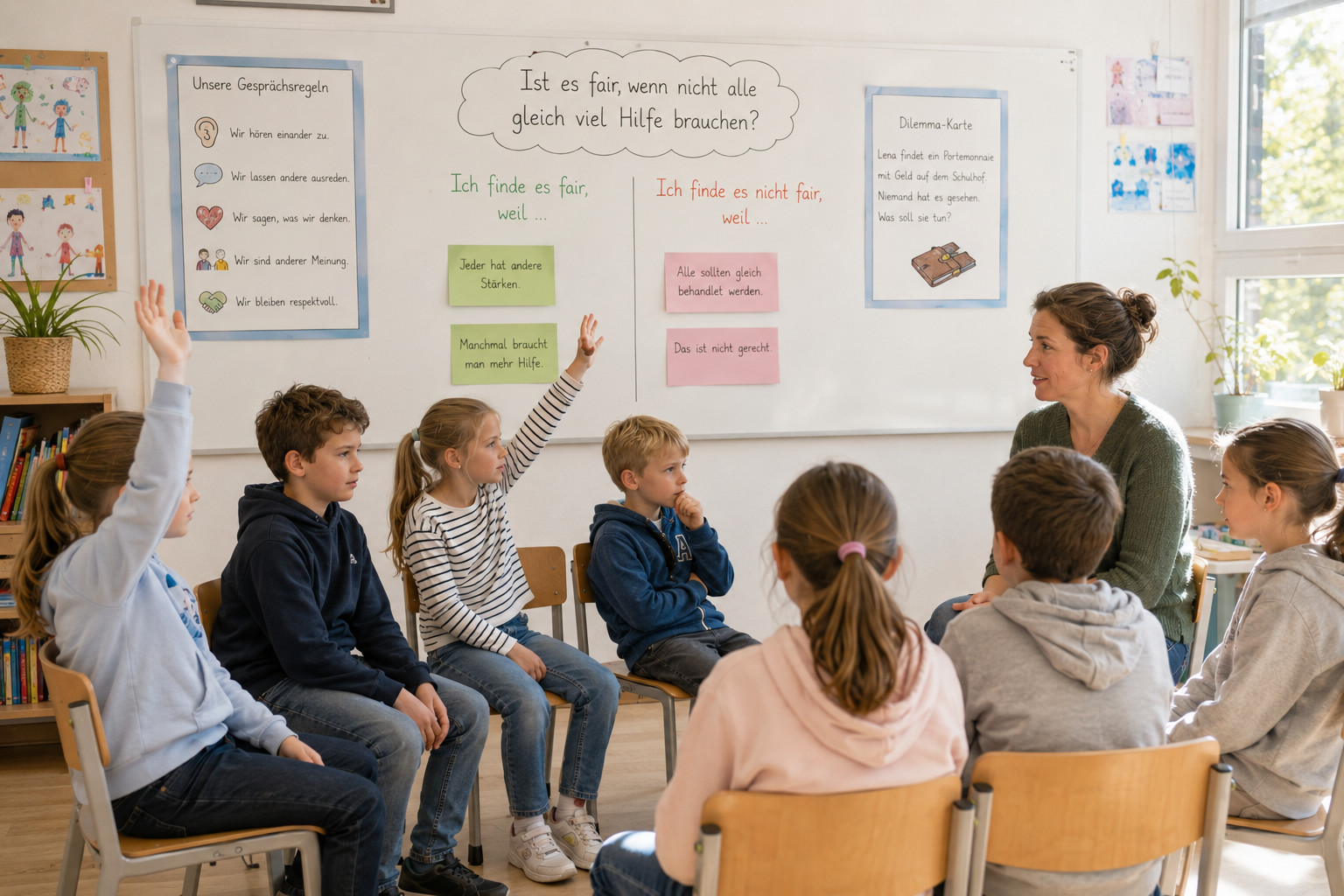
SEE Learning promotes ethically responsible decision-making processes as part of a compassion-based attitude. In the SEEL approach, children learn that complex questions do not need simple answers – and that thinking about them together is already an important competency.
BeLEARN, Thinking Aloud

Thinking Aloud

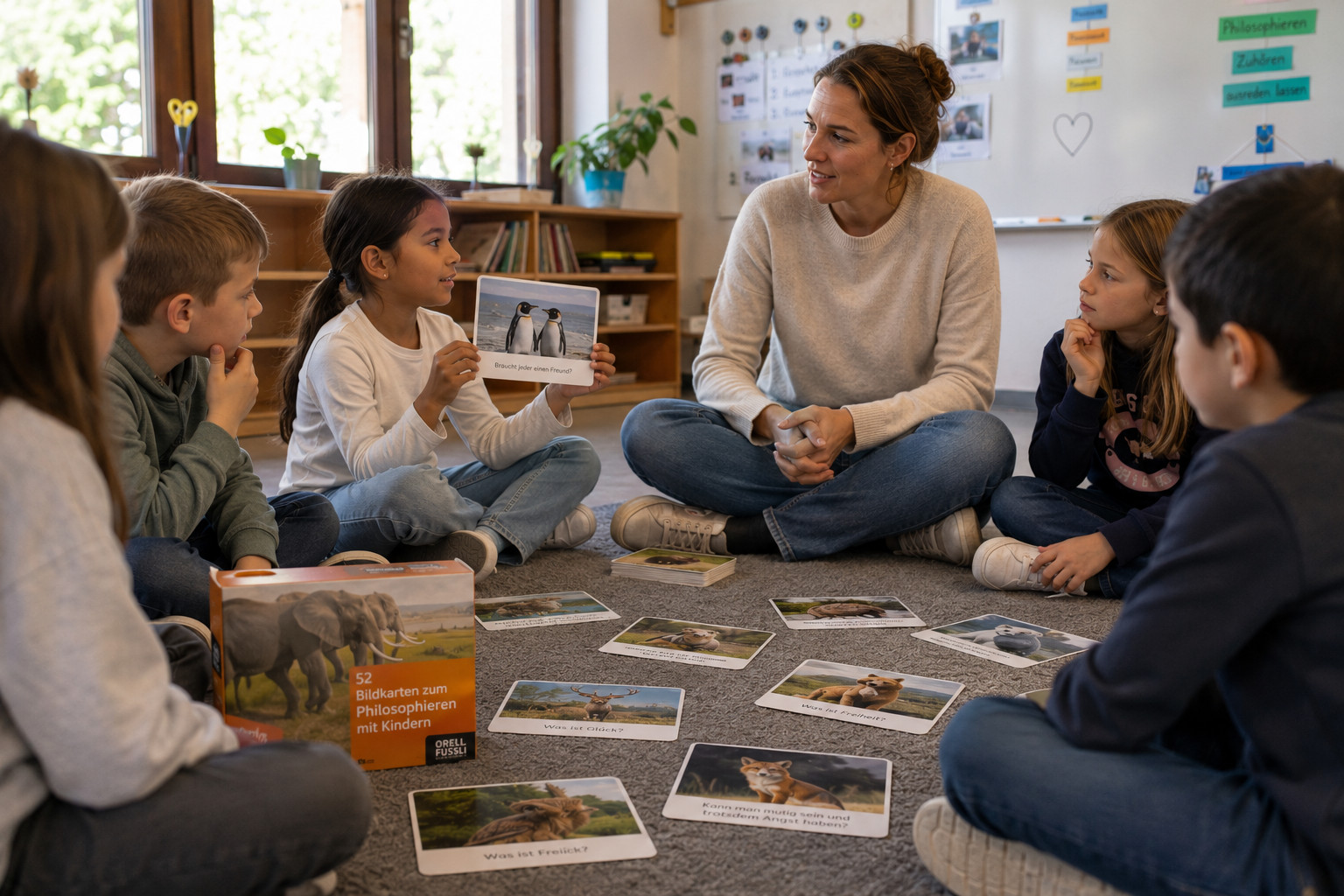
Thinking aloud begins with a question. When philosophising with children, a space is created in which there are no wrong answers, only different perspectives worth exploring.
BeLEARN, The movement suitcase
Quick Implementation

The movement suitcase

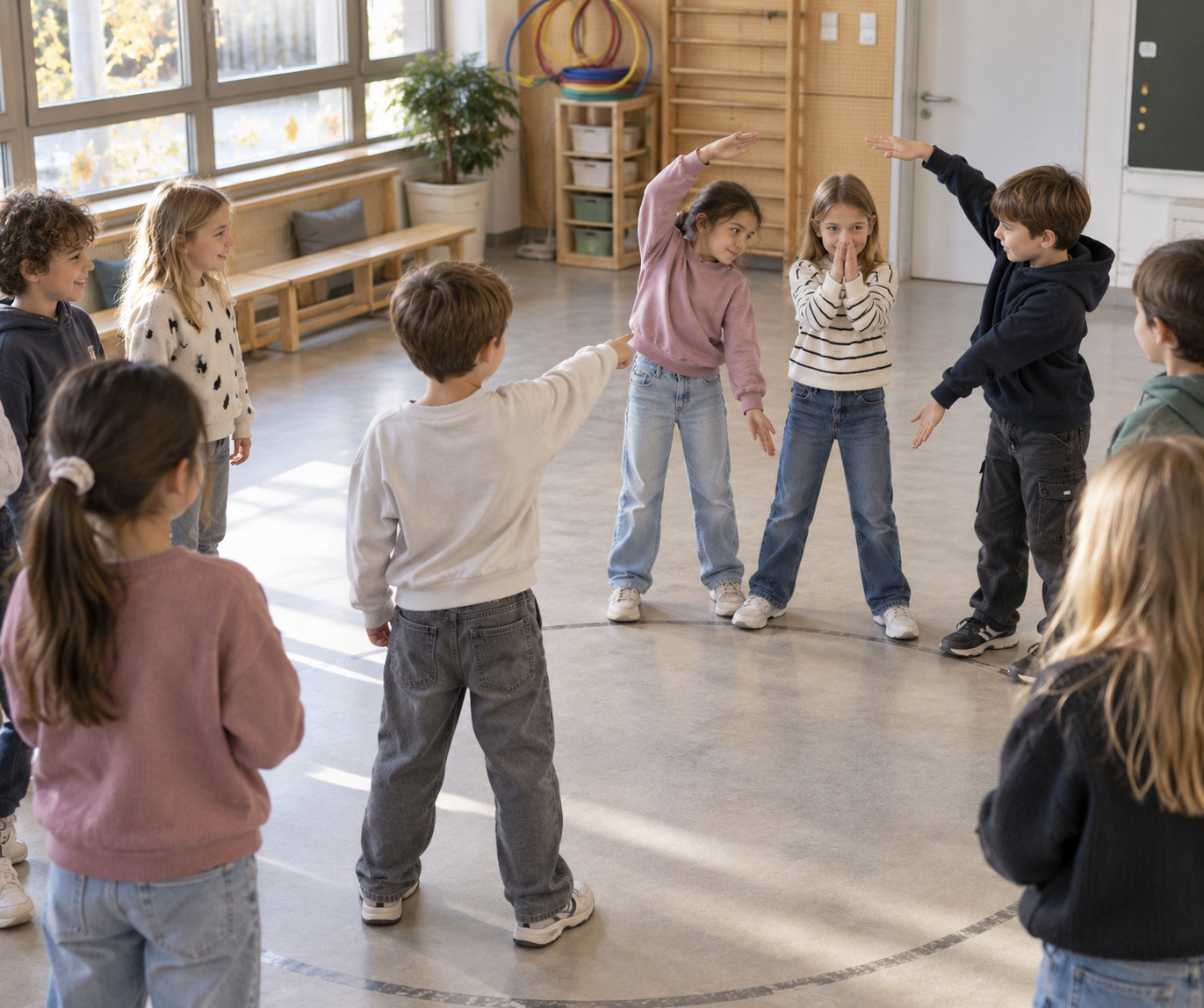
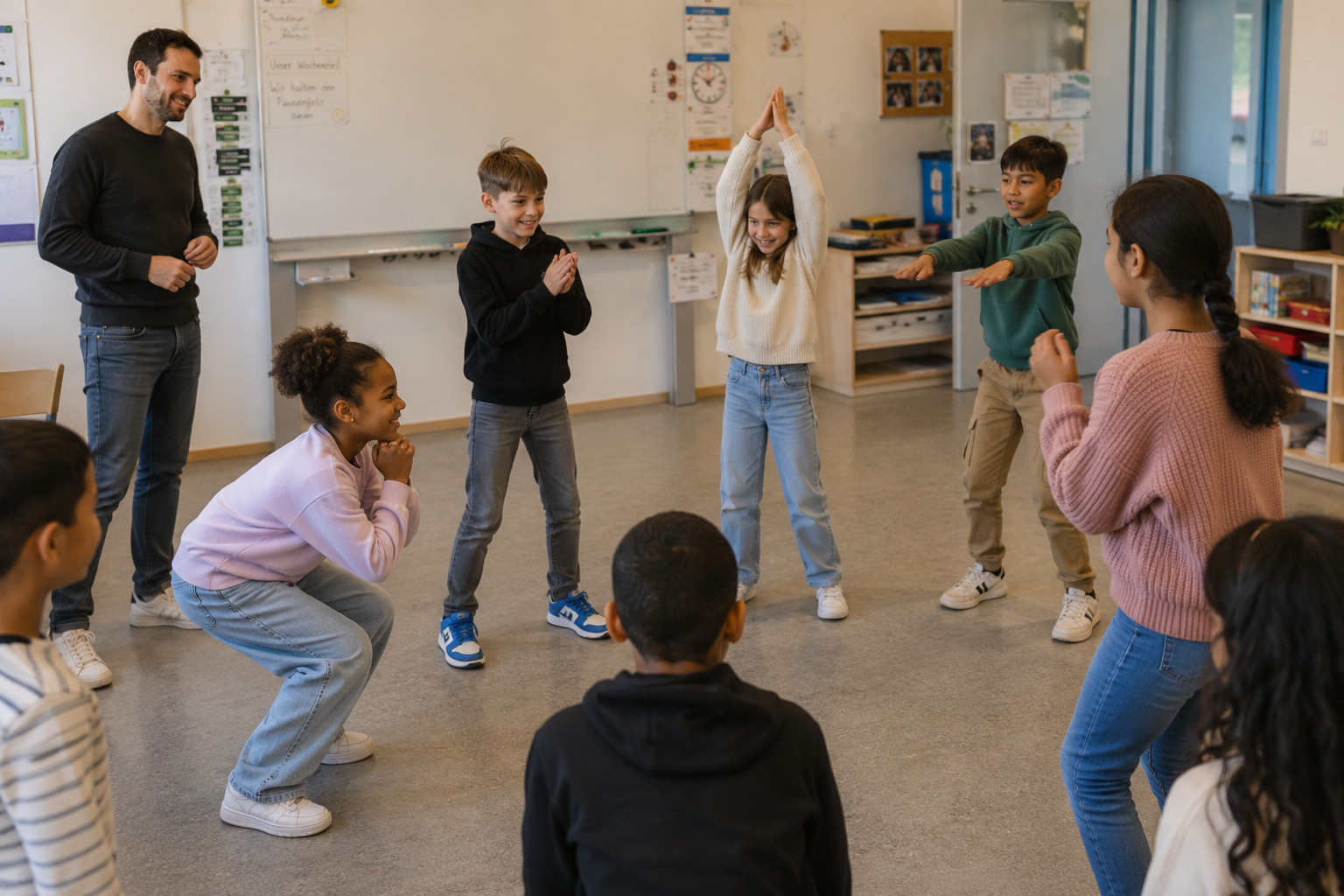
This exercise is the moving form of "I pack my suitcase". A movement chain grows from child to child, each repeats the whole series from memory and adds their own movement. The aim is to train working memory through the body, remembering and recalling a growing sequence. Children with a strong urge to move benefit in particular, because remembering here runs through movement and not through sitting still.
BeLEARN, Remembering through storytelling: the story journey

Remembering through storytelling: the story journey

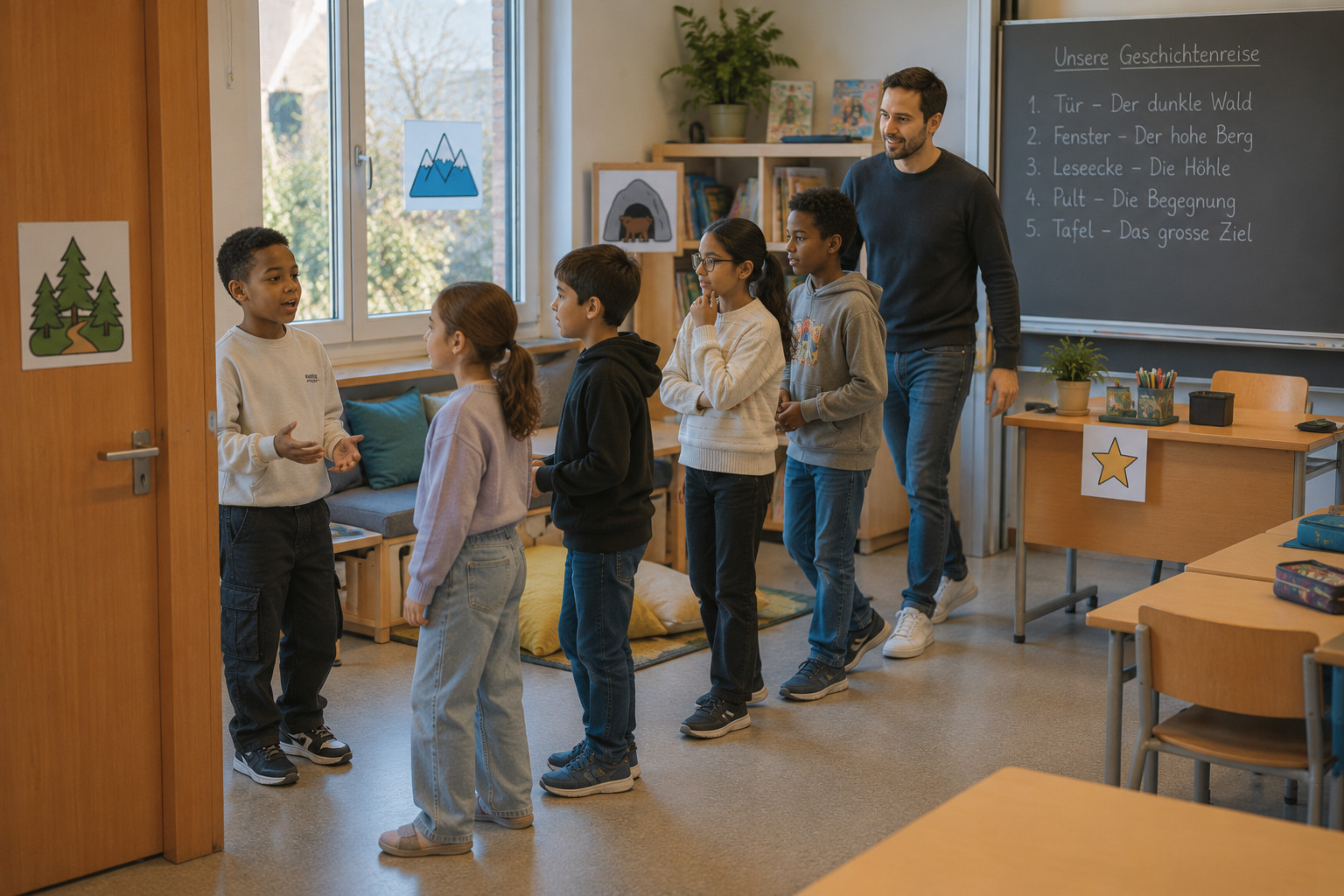
The story journey uses the method of loci for telling. Fixed places in the room become settings where a story is created or retold station by station. The aim is twofold: the fixed spatial order supports retention, the thread is not lost, and free formulation at each station develops vocabulary, sentence structure and the shape of a story. This way the exercise links memory and language development, and for children with a strong urge to move, telling runs through walking rather than sitting still.
BeLEARN, Daydreaming: finding the thread again

Daydreaming: finding the thread again

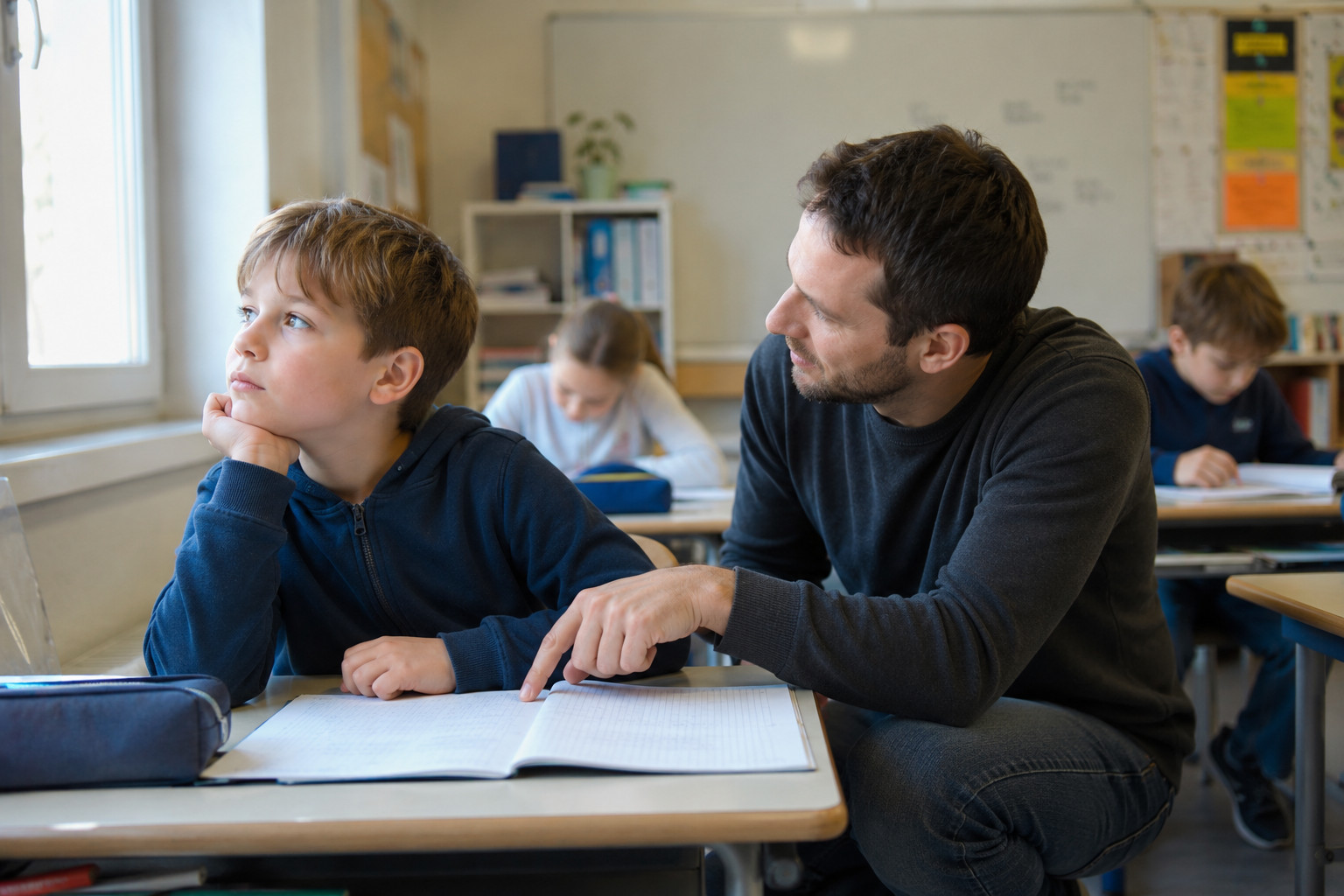
This collection gathers concrete moves and small tools for children who drift inward during lessons. The aim is for the child to notice their drifting early and find back on their own, building attention steering and self-monitoring, and to be brought back discreetly without being exposed. The moves are organised on two levels, for the whole class and individually with certain children.
Ideenpool ADHS | BeLEARN

Homework

Homework gets forgotten, incorrectly noted or not noticed at all. Clear rituals and consistent structures help children stay on top of things and develop personal responsibility
BeLEARN, Affirmation
Quick Implementation

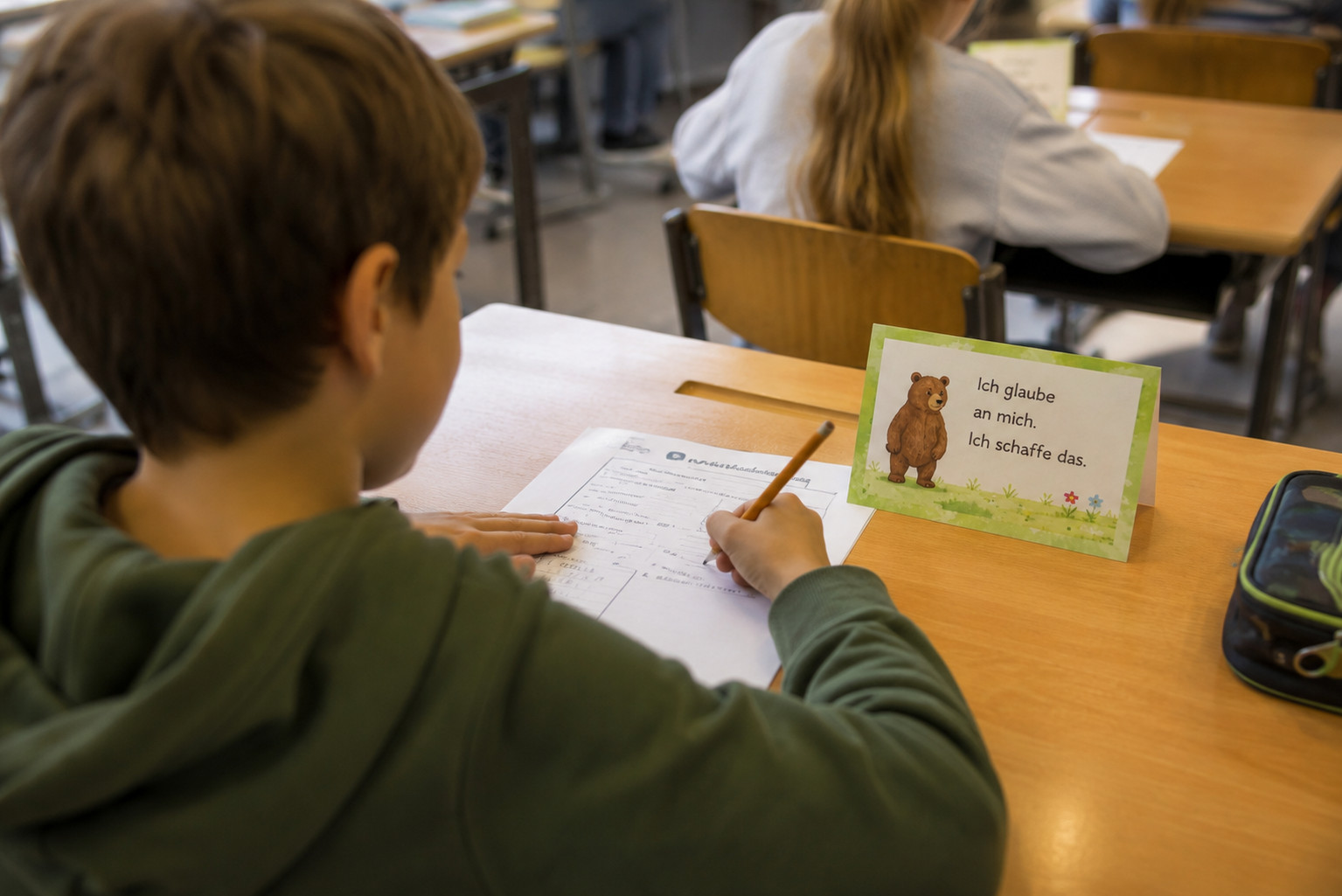
Affirmation

Inner attitude influences how children experience and cope with performance situations. Those who learn to strengthen themselves develop a resource that has an effect far beyond school. Affirmation cards are a simple, low-threshold tool to anchor exactly this in everyday life.
BeLEARN, Peer Feedback

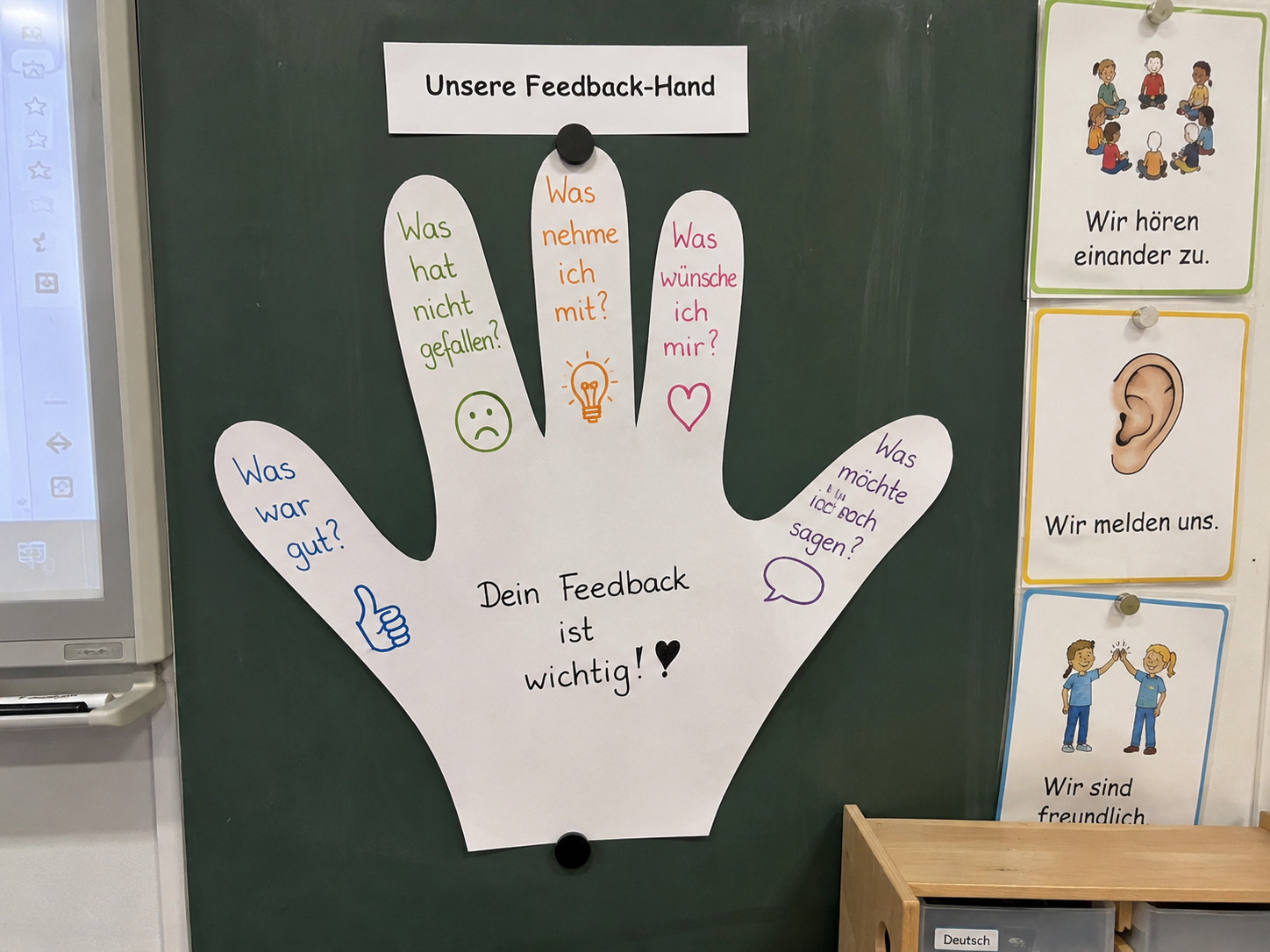
Peer Feedback

Children learn not only from teachers but also from each other. When students learn to give each other targeted and appreciative feedback, this strengthens not only the classroom climate but also the capacity for self-reflection. Peer feedback is thus more than a method – it is a building block for a learning culture in which everyone is visible.
BeLEARN, Relationship Building

Relationship Building

According to John Hattie, the relationship between teacher and students is one of the strongest influences on academic achievement – more effective than class size, homework or open learning formats.
BeLEARN, Task Cards – Padlet Alternatives

Task Cards – Padlet Alternatives

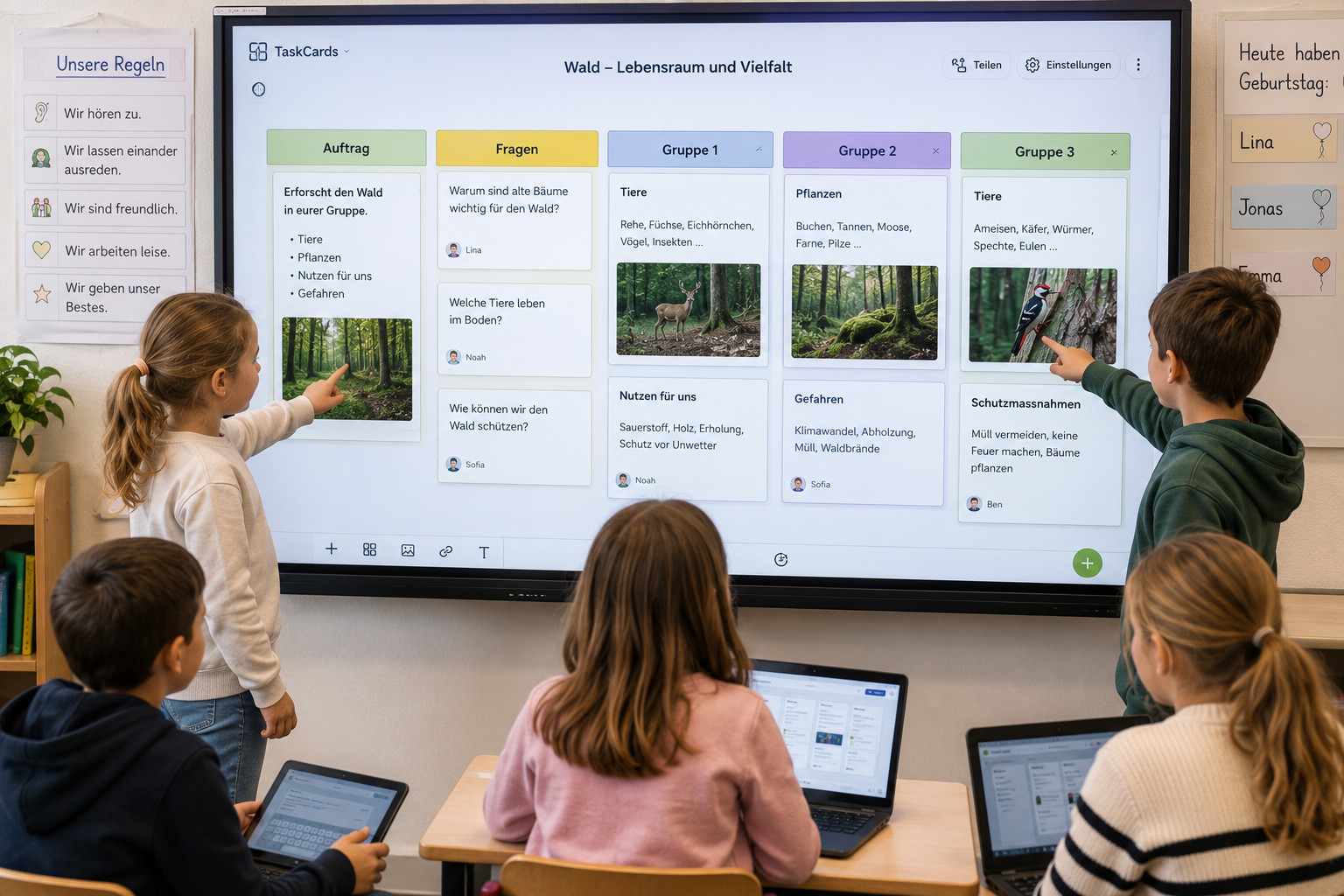
TaskCards transforms the digital pinboard into a genuine teaching tool. From task setting to securing results, everything happens in one place, clearly organised, collaborative and GDPR-compliant.
BeLEARN, Classroomscreen

Classroomscreen

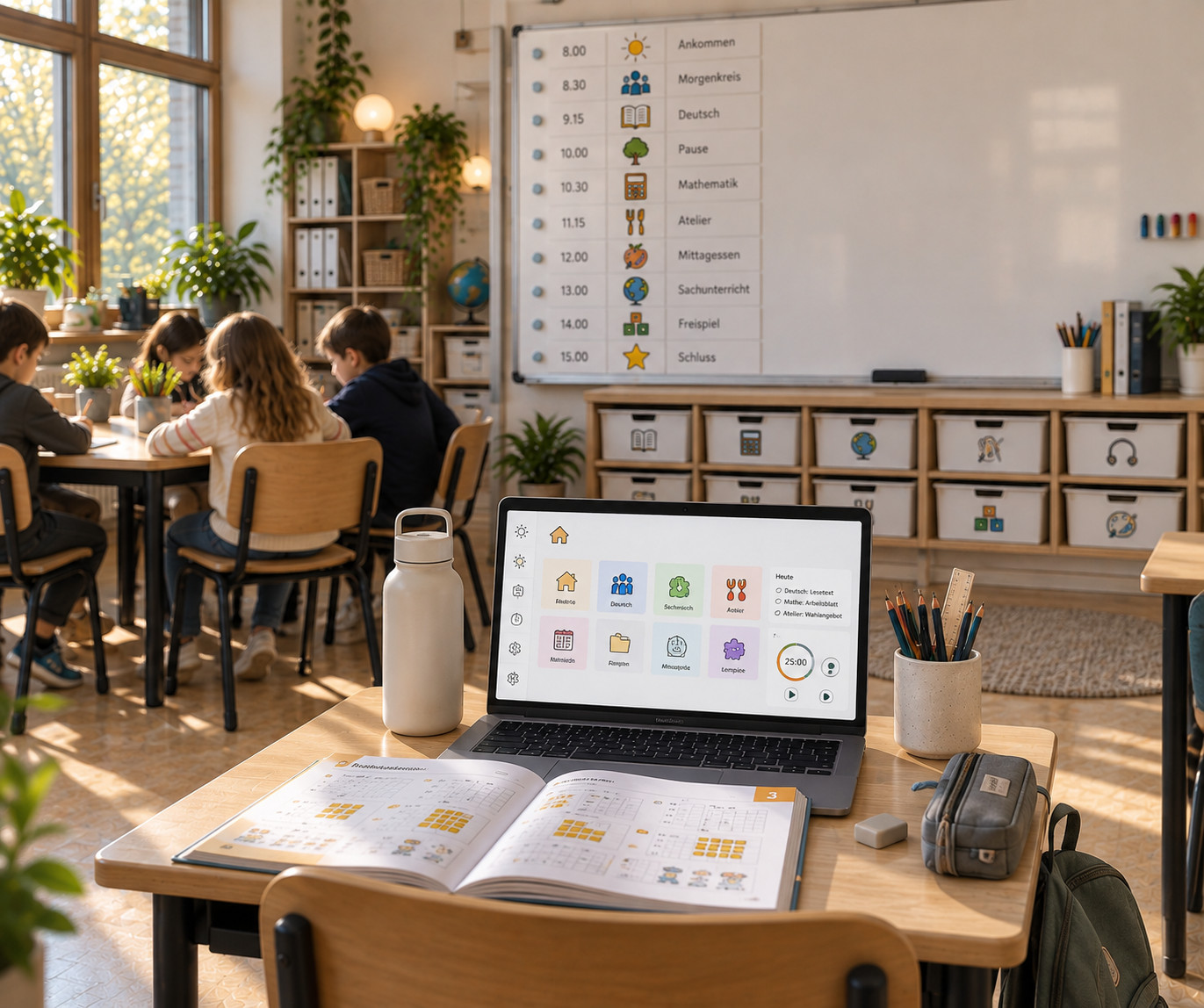
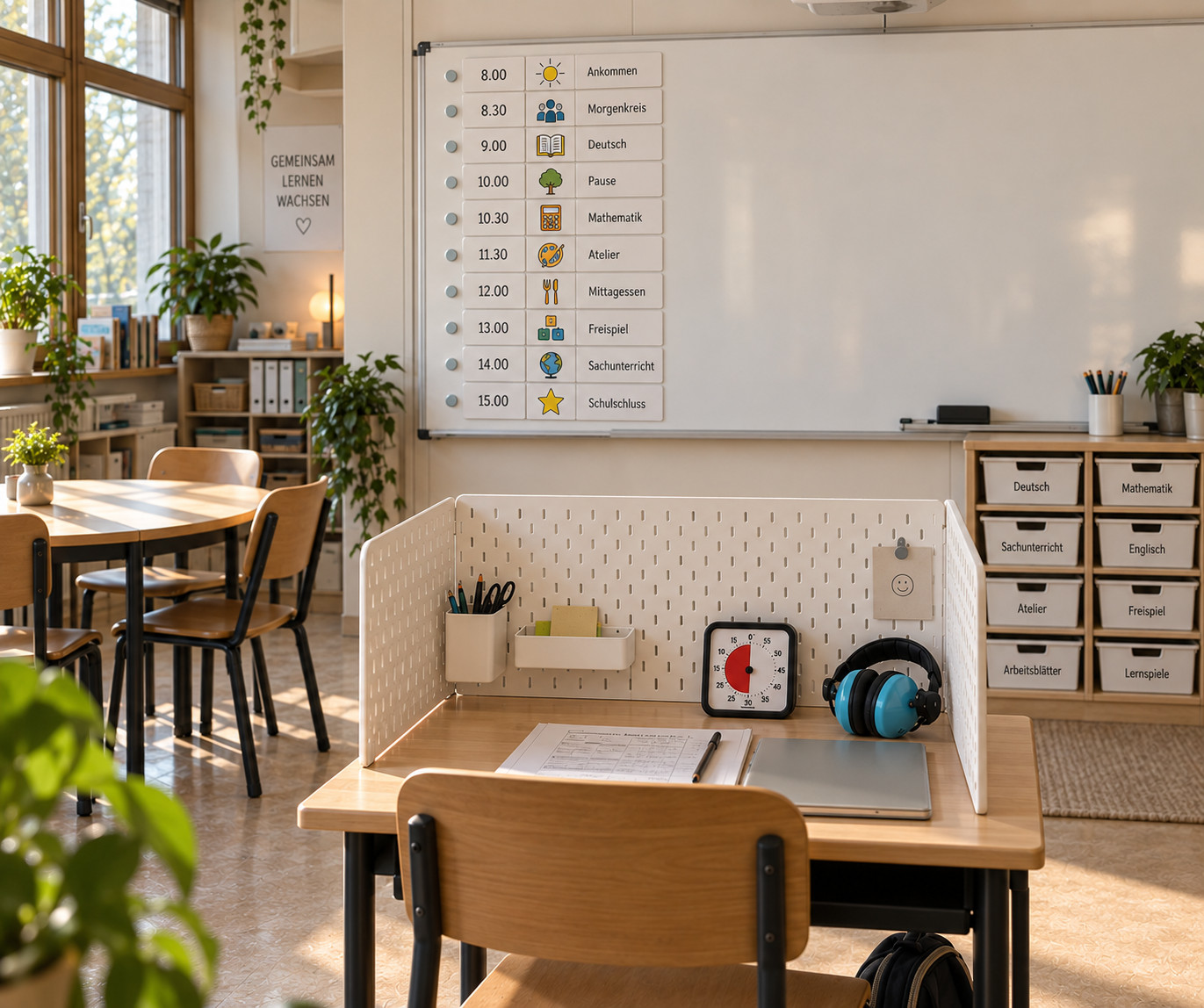
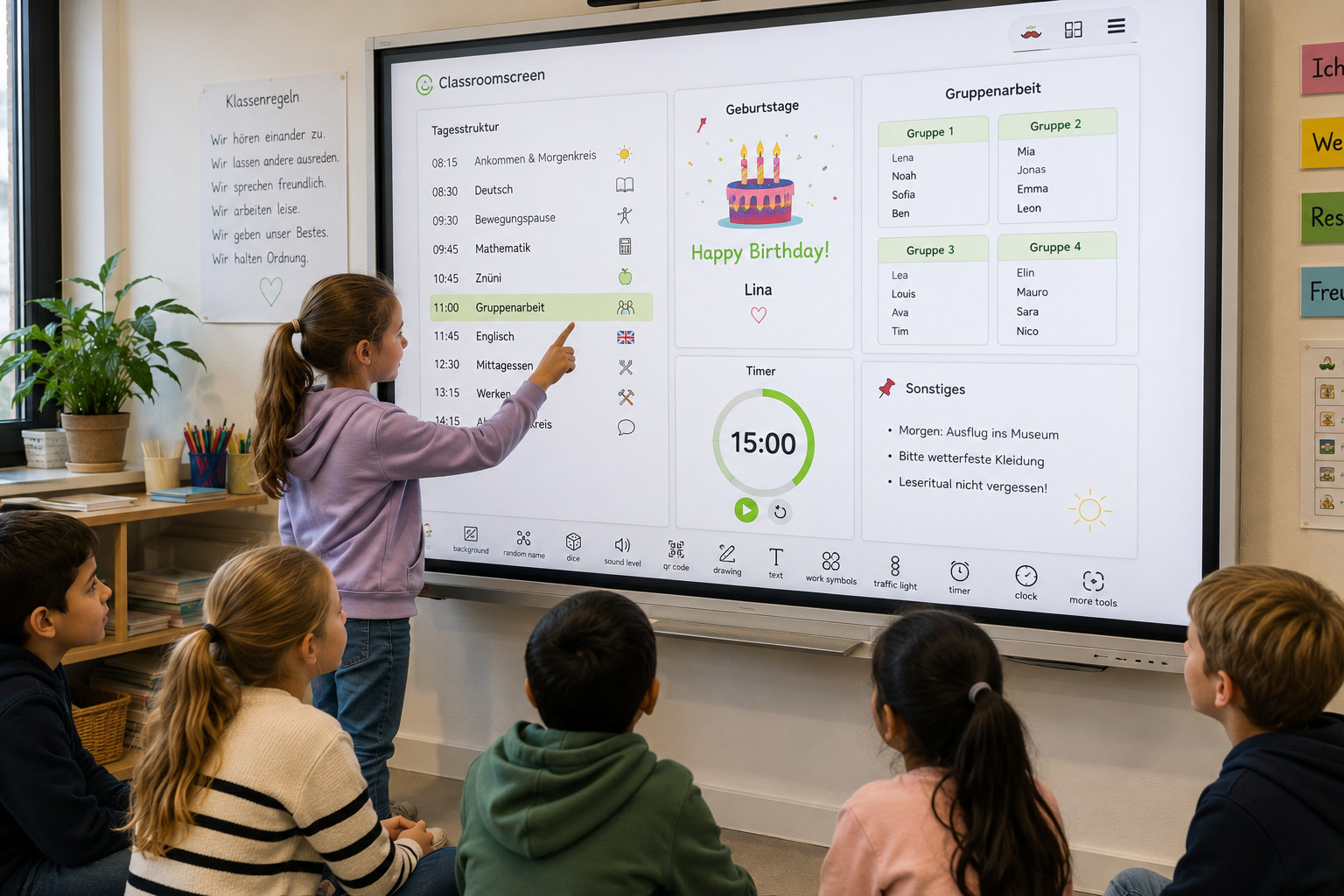
Children need orientation - not only in terms of content but also time and structure. Classroomscreen makes the daily schedule, task instructions, and timer visible at once, creating transparency even before the lesson begins.
BeLEARN, Empathy and Perspective-Taking (SEEL)

Empathy and Perspective-Taking (SEEL)

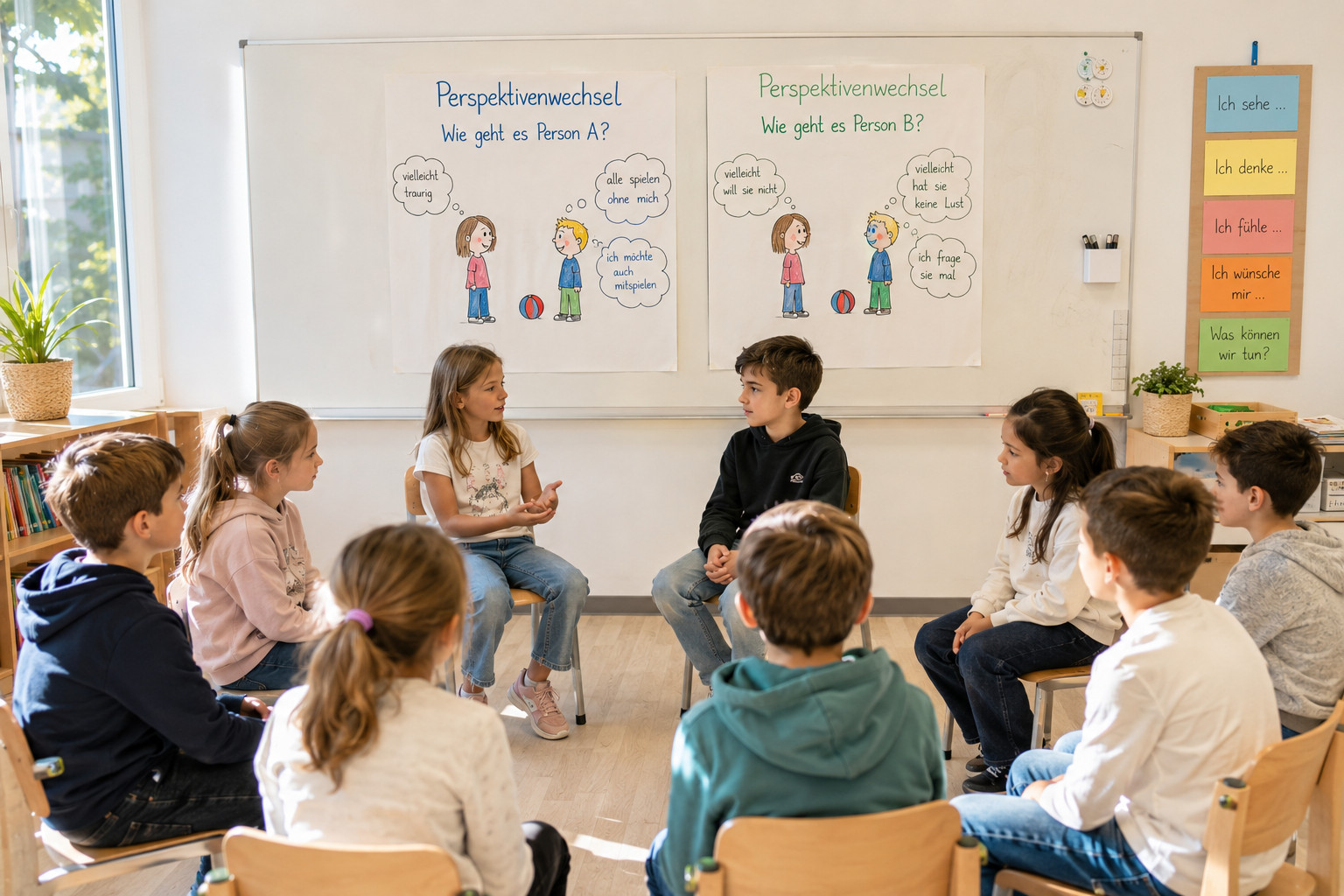
SEE Learning understands empathy as a learnable competency that grows through repeated, everyday exercises. In the SEEL approach, empathy is not taught but practised – through everyday questions that invite children to see the world through the eyes of others too.
BeLEARN, Emotional Regulation and Self-Awareness – SEEL and Emotions

Emotional Regulation and Self-Awareness – SEEL and Emotions

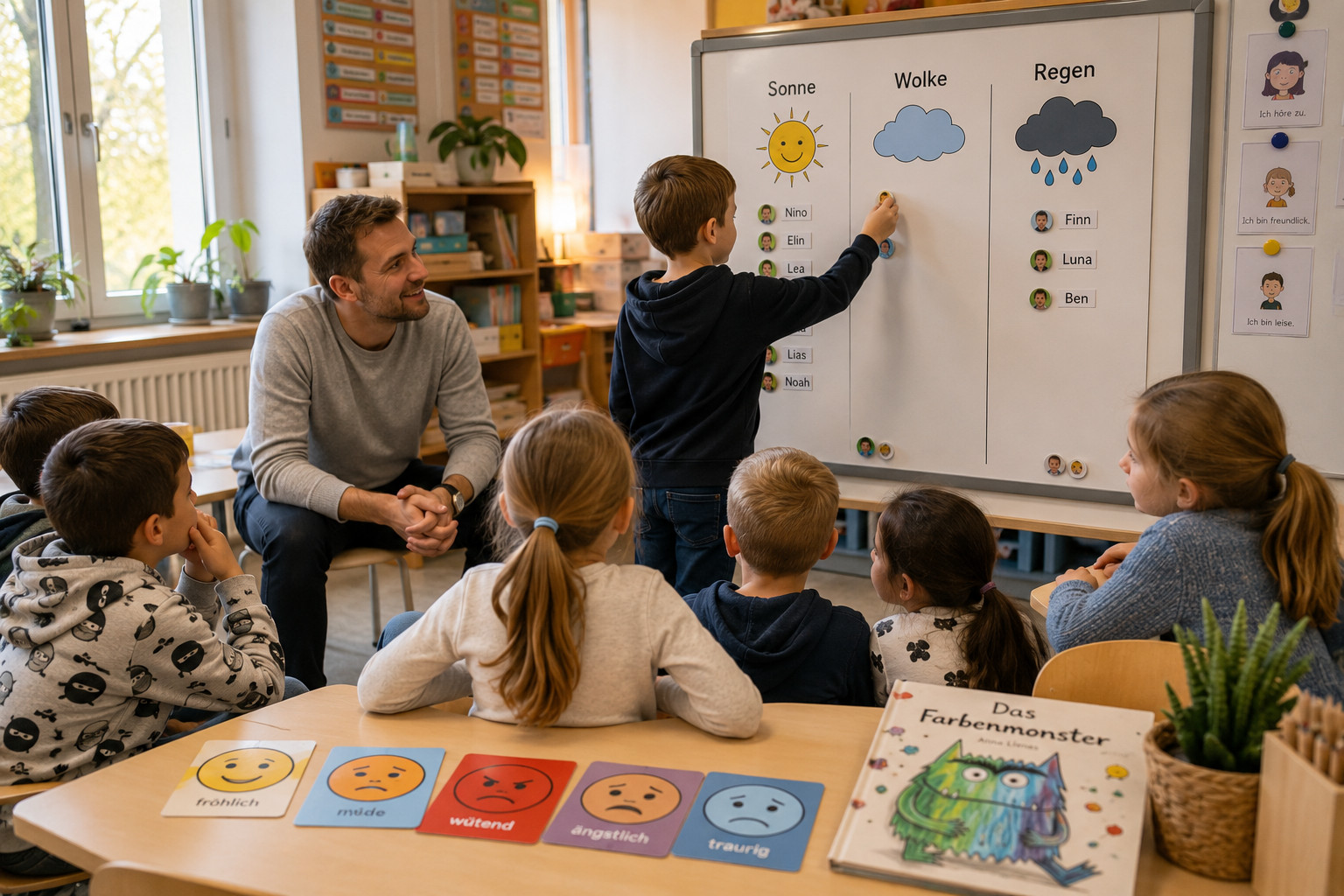
Those who can perceive and name their own state lay the foundation for self-regulation. In the SEEL approach, this is part of everyday school life – through small rituals and a conversational culture that gives feelings space.
BeLEARN, Class Council

Class Council

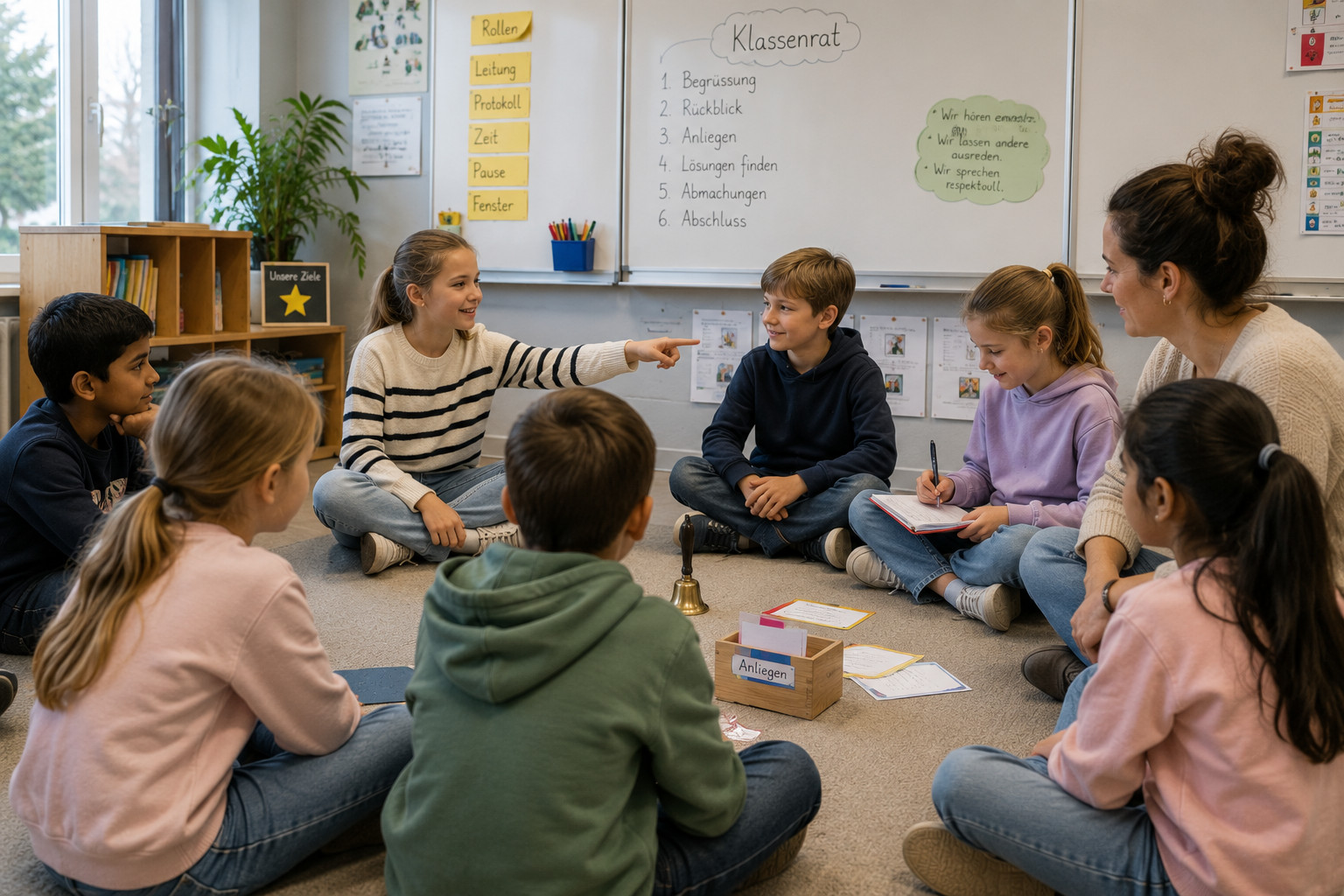
The class council is much more than an organizational framework. It doesn’t just discuss democracy - it makes it tangible. Children learn that their voice matters and that solutions found together are more sustainable than top-down rules. Those who take part in decisions take responsibility.
BeLEARN, Strengthening the Class as a Team

Strengthening the Class as a Team

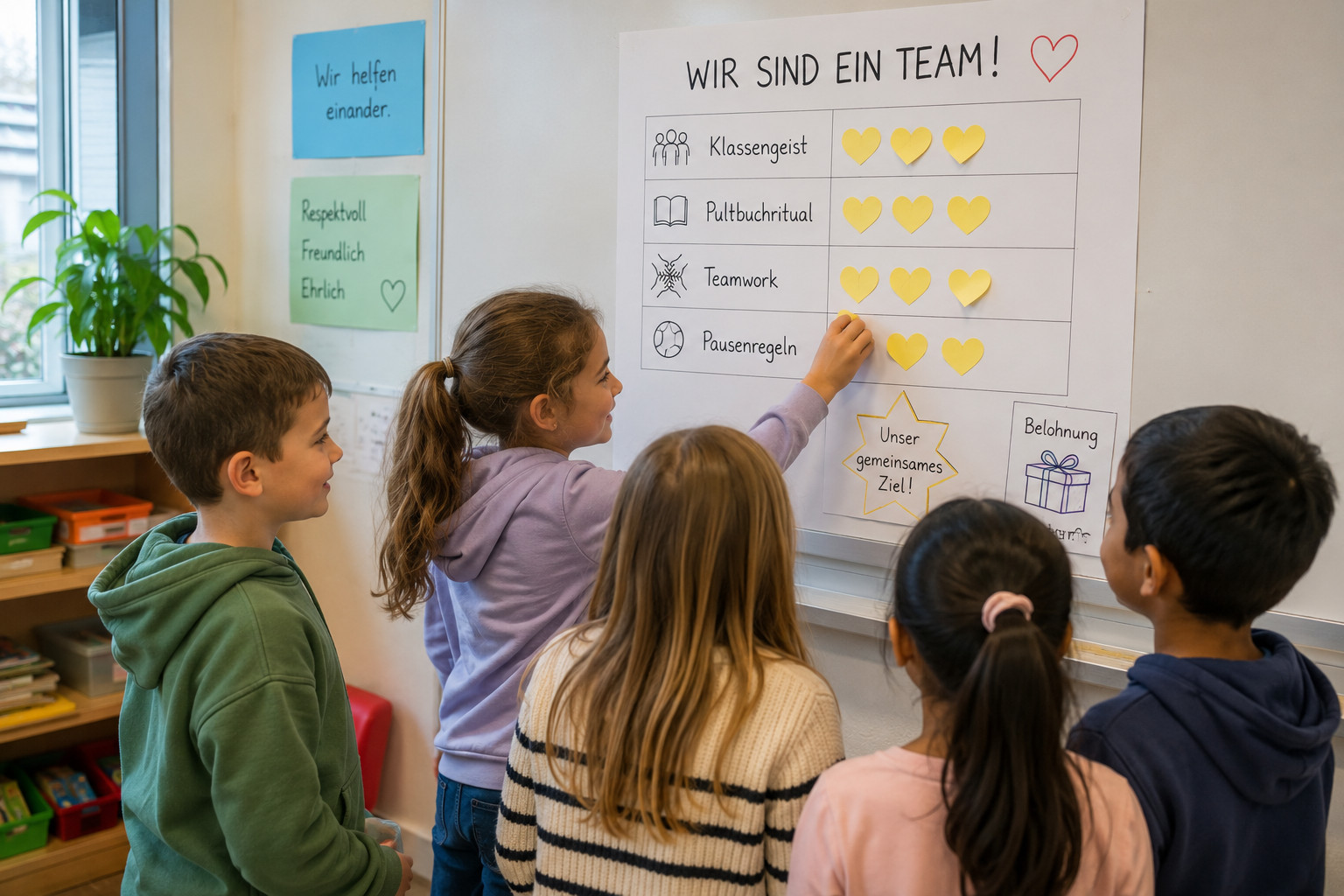
Class-wide reinforcement systems make it visible that good behavior benefits not only individuals but the entire class. The class earns together and benefits together. This turns a simple system into a genuine sense of community.
BeLEARN, Positive Feedback

Positive Feedback

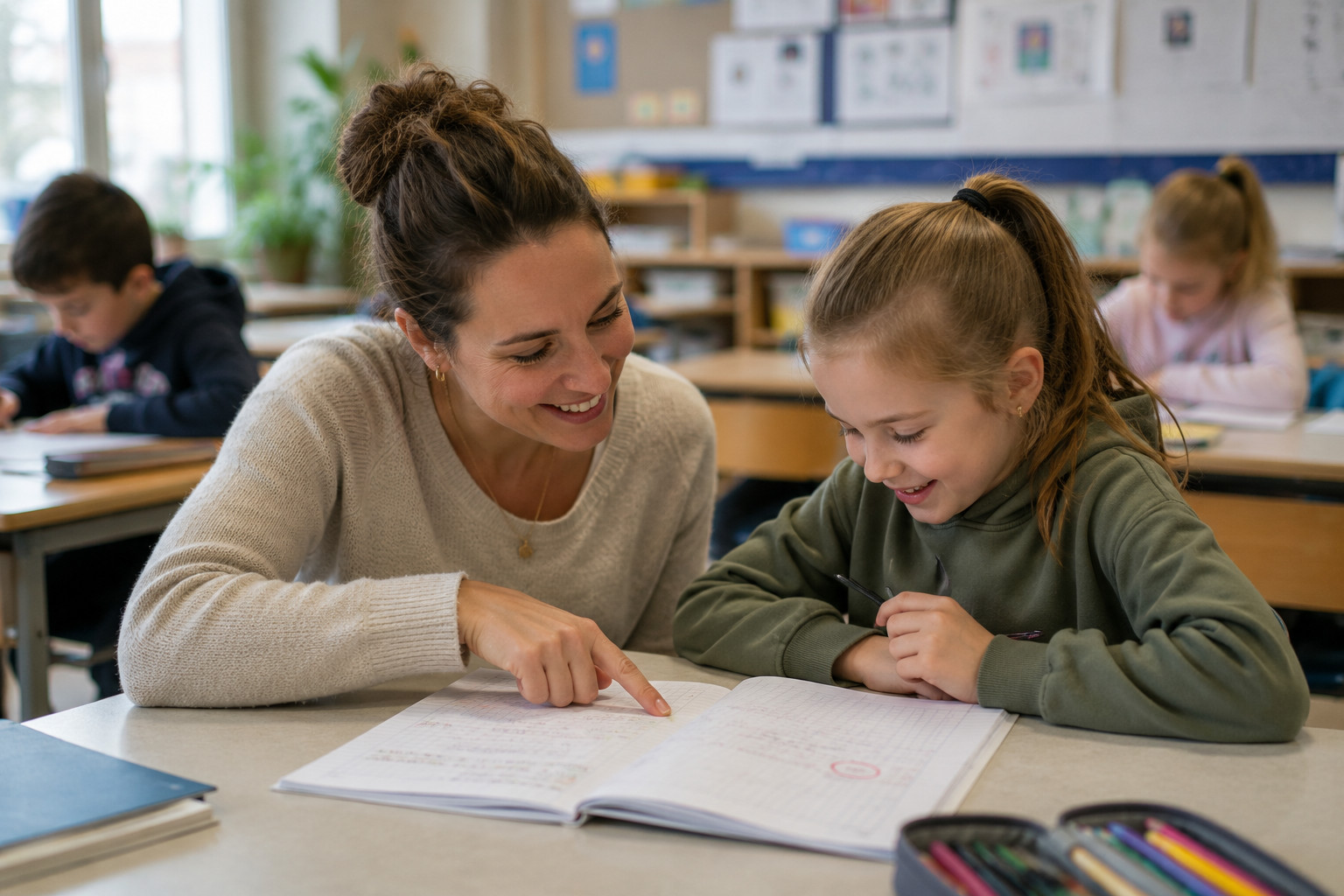
Positive feedback is more effective than general encouragement. Specific feedback shows the child exactly what was noticed and makes the behaviour easier to repeat. “I noticed that you started right away” says more than “Great job.”
BeLEARN, Signals and Transitions

Signals and Transitions

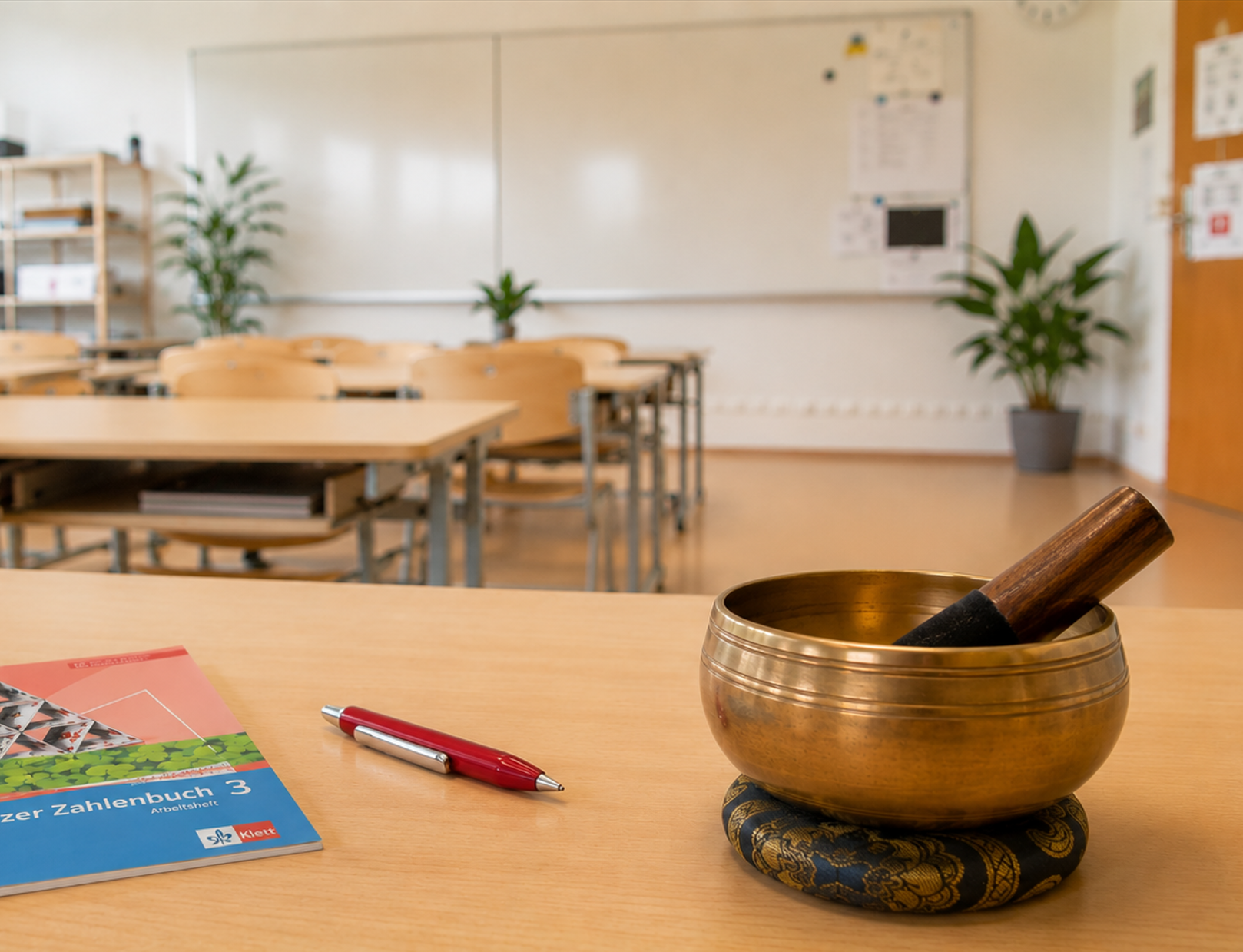
Signals and transitions structure the school day and create more effective learning time. Non-verbal signals such as singing bowls, countdowns or music provide orientation without the teacher needing to intervene verbally each time.