
Inside ADHD
The innovative educational tool “Inside ADHD” helps people better understand ADHD and provides practical tools for supporting individuals with ADHD in educational settings.
About the Project Inside ADHD
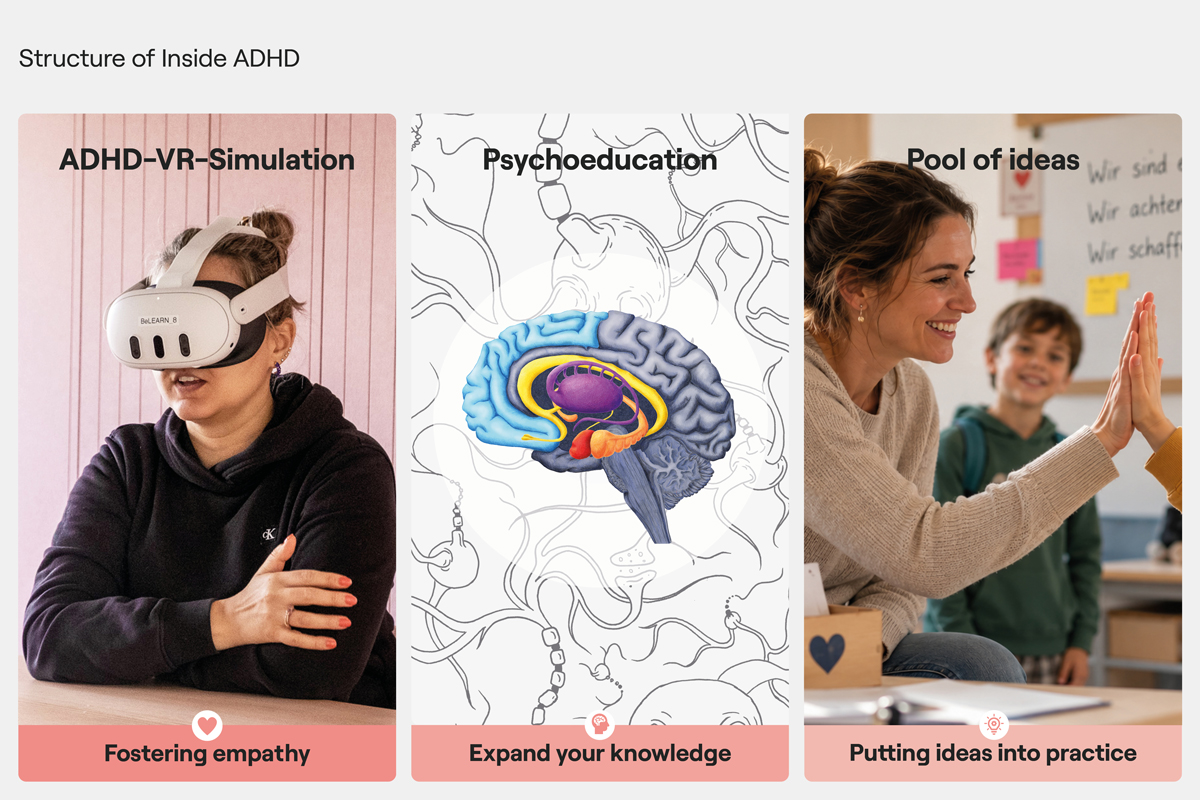
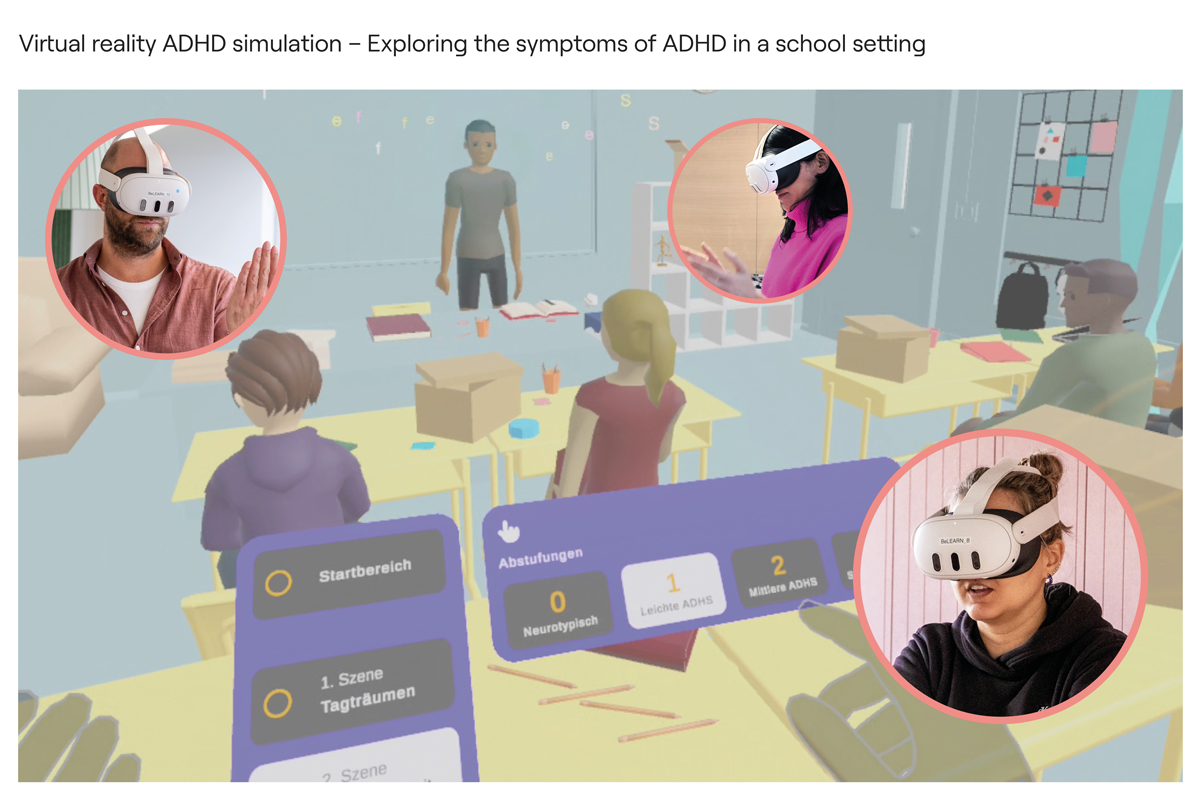
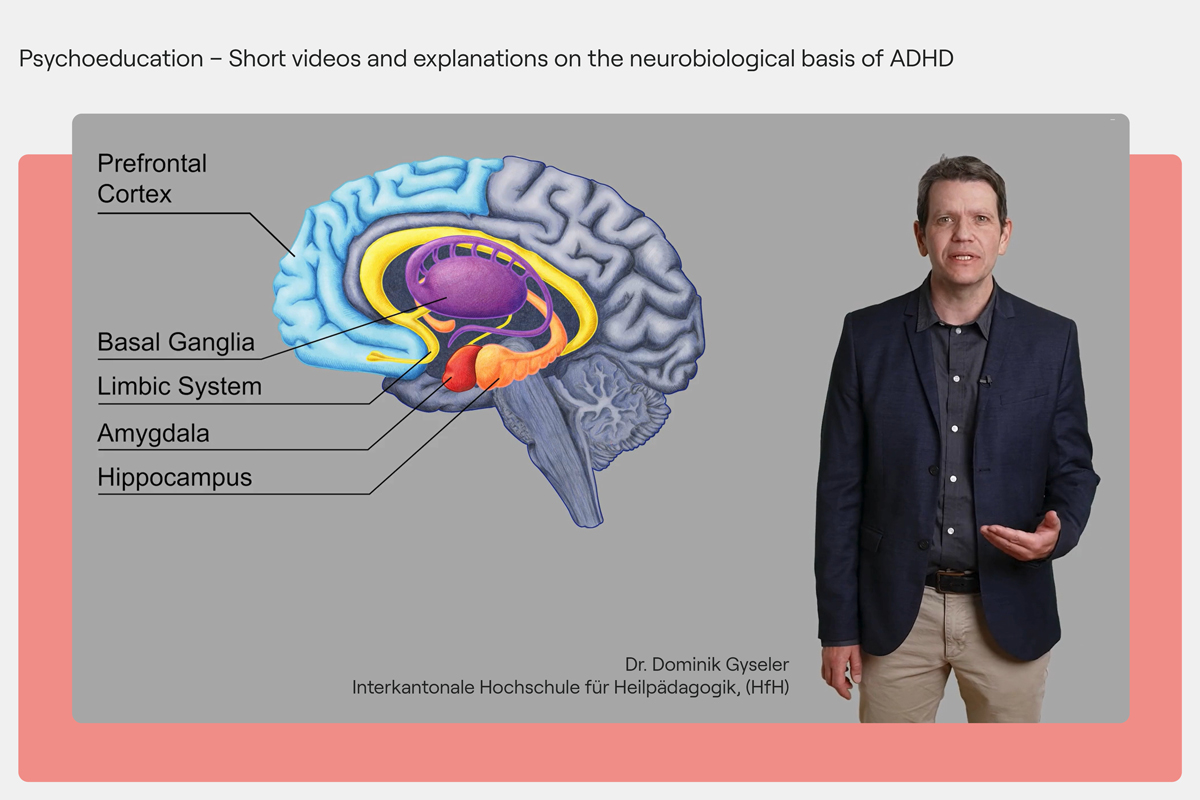
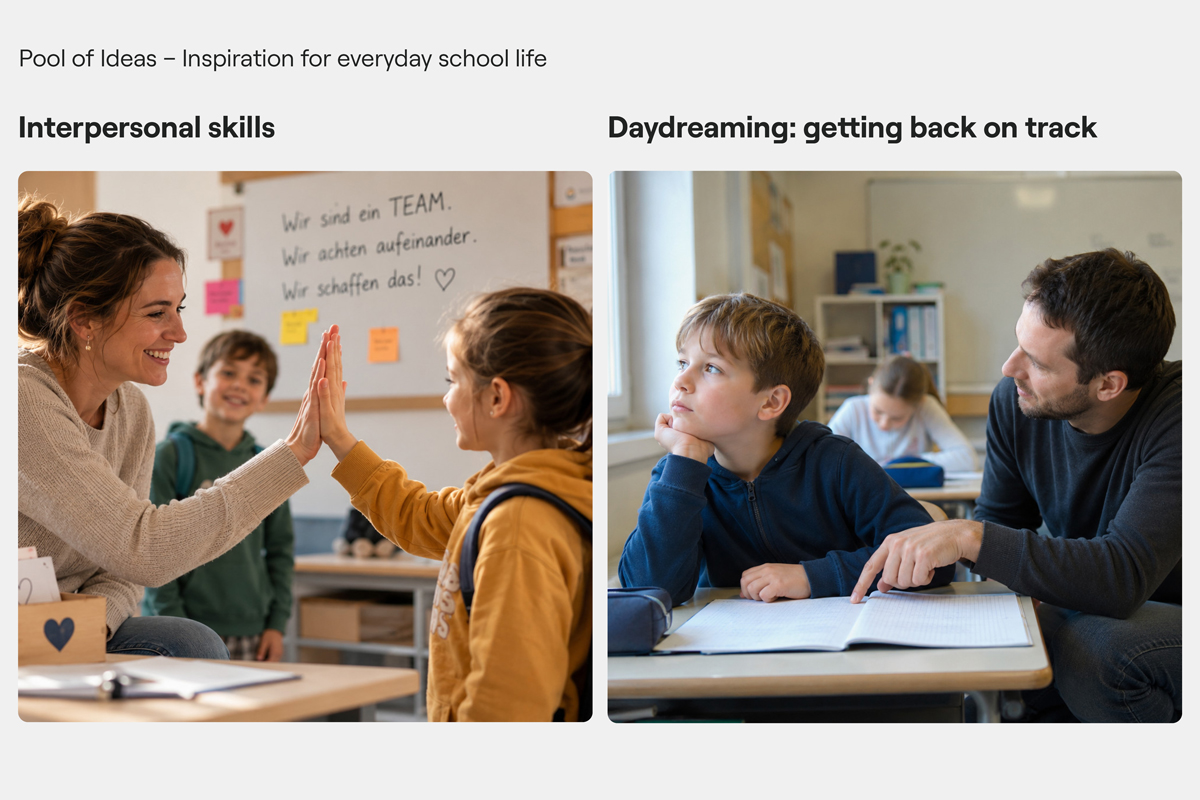
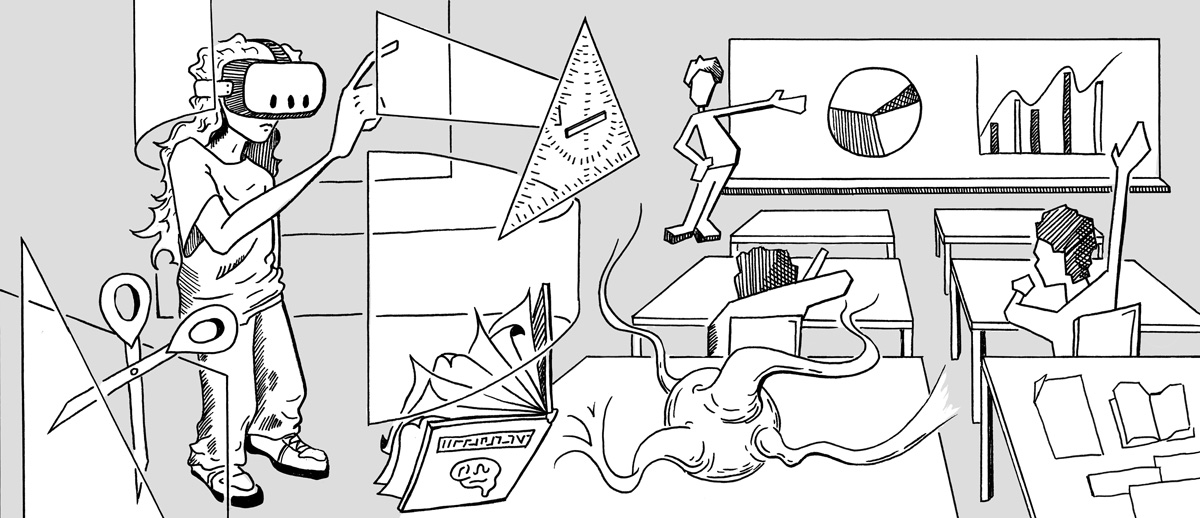
Inside ADHD is an innovative educational tool consisting of three elements: an ADHD VR simulation that allows users to experience typical ADHD traits; psychoeducational videos that provide insights into the neurobiological factors underlying ADHD; and an idea pool offering practical strategies for professionals who support people with ADHD.
The aim is to foster a deeper understanding of the experiences of people with ADHD, thereby laying the foundation for a more empathetic, evidence-based and inclusive approach in educational and professional settings.
FAQ about ADHD and Inside ADHD
Attention-deficit/hyperactivity disorder (ADHD) is a developmental disorder that usually first appears in childhood and can persist into adulthood. Its symptoms include inattention and/or hyperactivity and impulsivity. ADHD symptoms can vary considerably in their presentation and severity. The level of distress experienced by affected children and those around them also varies (BAG, n.d.; SFG ADHD, n.d.).
Sources:
The three core symptoms of ADHD can significantly affect everyday life:
- Inattention: Difficulty sustaining attention and focusing on tasks or activities. A tendency to make careless mistakes and frequently forget things during everyday activities. Distraction may be caused by external stimuli, such as sounds or visual impressions, as well as internal stimuli, such as daydreaming or racing thoughts.
- Hyperactivity: Persistent fidgeting and difficulty remaining seated for extended periods. Excessive talking and difficulty engaging in quiet activities.
- Impulsivity: Acting without considering the consequences. Difficulty waiting one’s turn and frequently interrupting others.
Depending on which symptoms predominate, a distinction is made between the predominantly inattentive presentation, the predominantly hyperactive-impulsive presentation and the combined presentation. In the combined presentation, symptoms of both inattention and hyperactivity/impulsivity are clearly present. It is the most common presentation of ADHD.
The exact causes of ADHD are not yet fully understood. However, several factors are thought to contribute to its development:
Genetic factors:
ADHD tends to run in families.
Neurological factors:
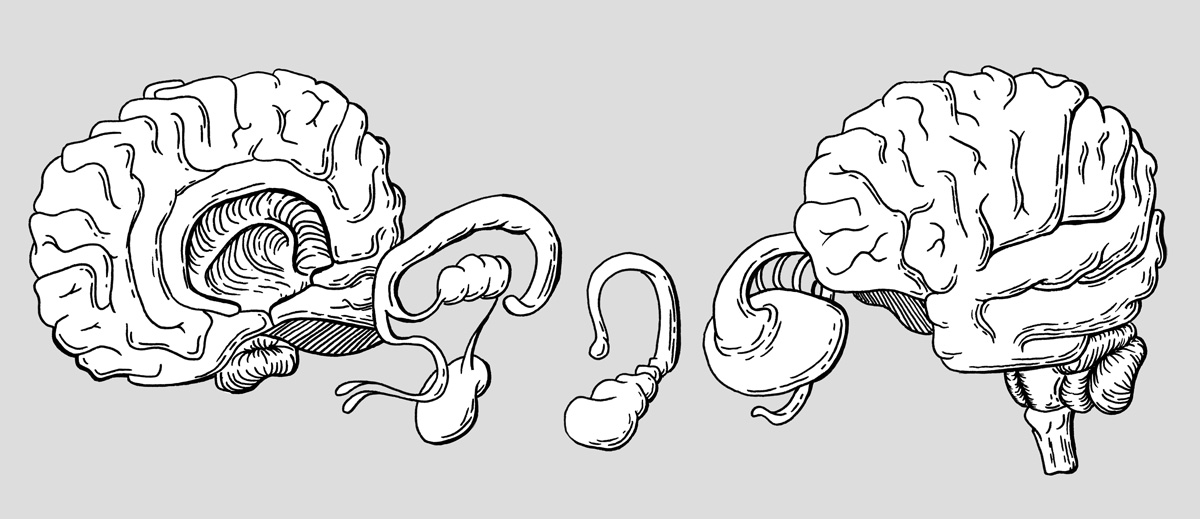
Differences in brain structure and function.
Environmental factors:
Prenatal exposure to alcohol, tobacco or toxic substances.
Challenges in Everyday Education
ADHD presents significant challenges for teachers and vocational trainers in everyday educational settings. There is often a lack of specific knowledge about the neurobiological foundations and the functional and social effects of ADHD, as well as effective strategies for adapting teaching and training environments accordingly. Many professionals are already under considerable pressure in their daily work, which further complicates the situation. The resulting strain can significantly affect relationships between children and young people with ADHD and those who support them. Behaviours linked to ADHD are often misinterpreted as a lack of effort or willingness.
Taking an Innovative Approach
This is precisely where Inside ADHD takes a new approach. Instead of focusing solely on conveying knowledge, the educational tool follows the principle of “understanding through experience”. Using immersive VR technology, users can experience typical ADHD traits—such as distractibility, daydreaming or difficulties with working memory—in a virtual environment. This change of perspective creates an emotional yet professionally grounded understanding that factual knowledge alone cannot provide. Experiencing first-hand how challenging it can be to concentrate under ADHD-related conditions fosters greater empathy and understanding towards affected children and young people.
From Empathy to Action
To ensure that this understanding leads to practical action, Inside ADHD goes beyond the immersive experience. Short videos provide a concise overview of the key neurobiological foundations, while an idea pool containing target-group-specific teaching and guidance materials offers practical strategies for the classroom. Inside ADHD thus combines empathy-building, knowledge transfer and concrete options for action in everyday educational settings. Its aim is to lay the foundation for a more empathetic, evidence-based and inclusive approach to ADHD in both school and vocational settings.
elpos – Swiss Information and Advisory Centre for People with ADHD
https://elpos.ch/