Etuna: TEACCH in the Digital Space
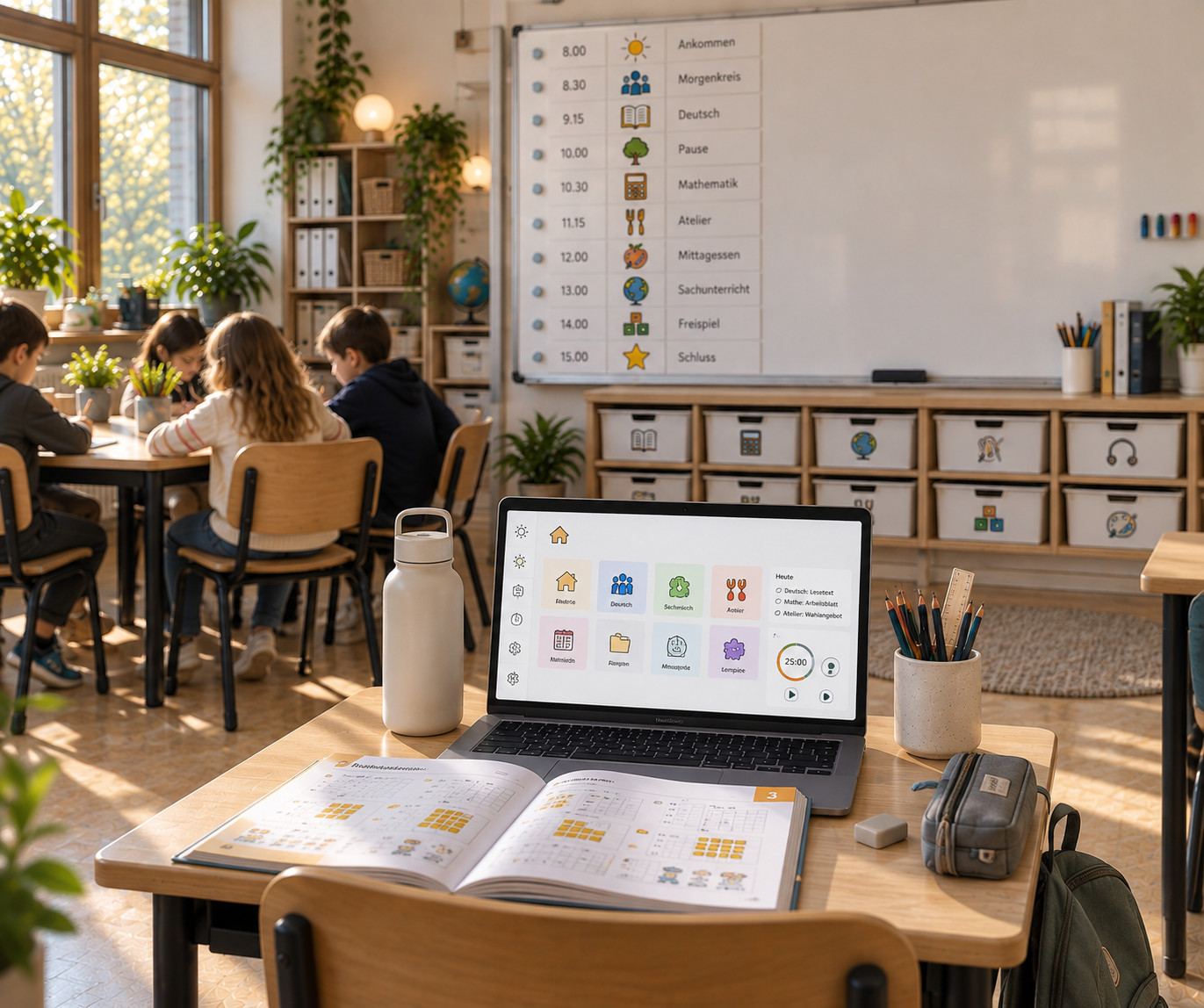
Structure does not have to end on paper. A digital learning environment can also provide guidance when it is clear, predictable and visually organised. Many principles of the TEACCH approach can be applied digitally, helping pupils to work independently.
Key Information
Subject/ Subject Area: All subjects
School Level(s): Cycles 1, 2 and 3
Focus: Distraction, Memory
Implementation
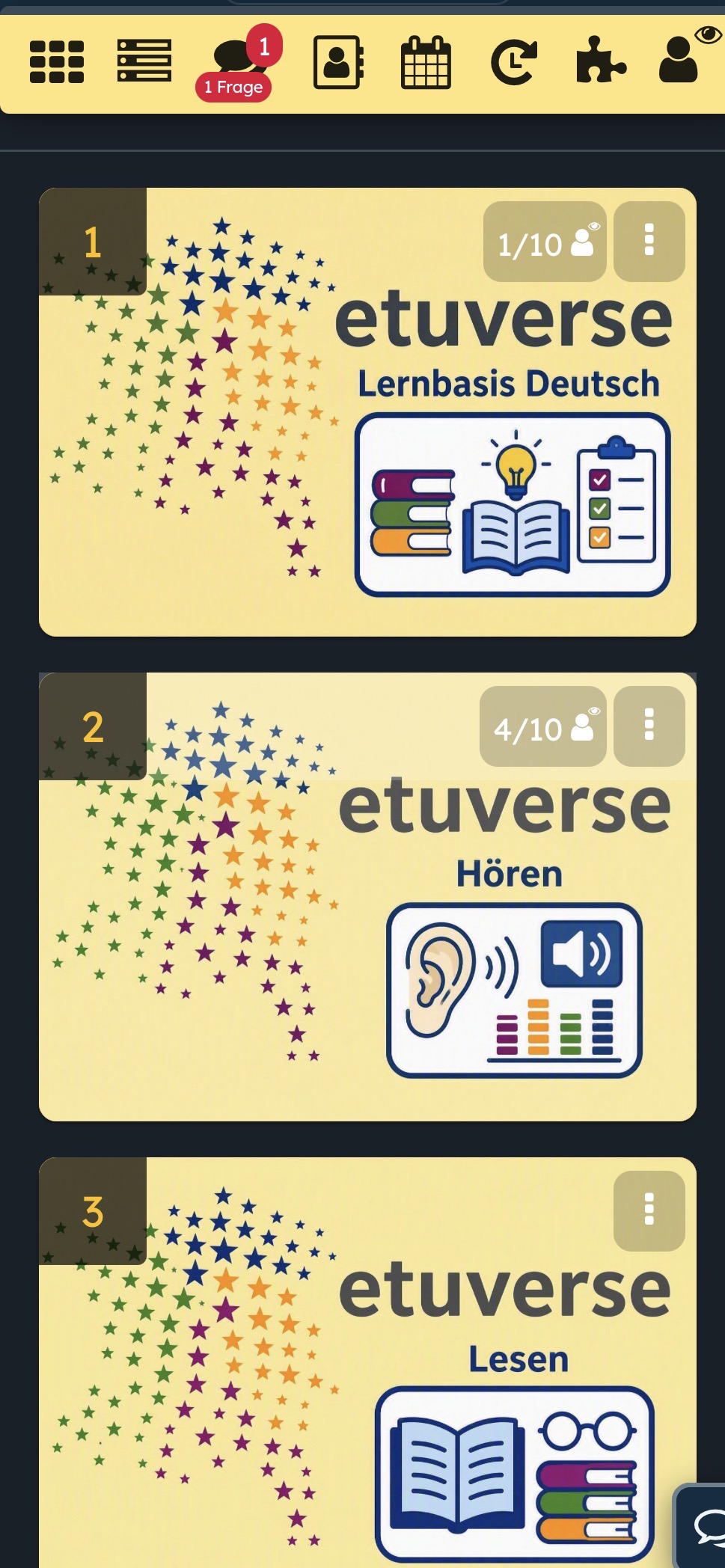
A digital learning environment should above all be clear, predictable, visual and motivating. A clearly structured environment supports executive functions. When materials are organised clearly and symbols make them self-explanatory, learners can find their way around independently and select tasks based on their own motivation. Designing the environment according to the principles of Universal Design for Learning (UDL) also supports accessibility.
Teachers can use the toolkit to add further structure, for example by setting timers. A well-structured environment also makes it possible to tailor learning materials to children’s interests and to create materials together with them.
Practical ideas
- Organise materials clearly and label them with symbols so that learners can navigate independently.
- Provide tasks with clear, concise instructions that children can select independently.
- Use the toolkit to set timers and time structures.
- Tailor learning materials to children’s interests and create them together.


Material
References
After: Marc Kölliker and Michael Nitz, St. Johann School
Source: Practical experience and individual professional development.